Winterize Your Garden: Essential Maintenance Tips for December
Shiny Green Landscaping • December 17, 2025
Winter is on the horizon, bringing with it the chill that can transform gardens into serene, snow-draped landscapes. But beneath that picturesque veneer lies a crucial period for ensuring your garden remains healthy and vibrant come spring. Here’s how you can prepare your outdoor space with essential winterization tips, combining sustainability with practicality.
Protect Your Soil
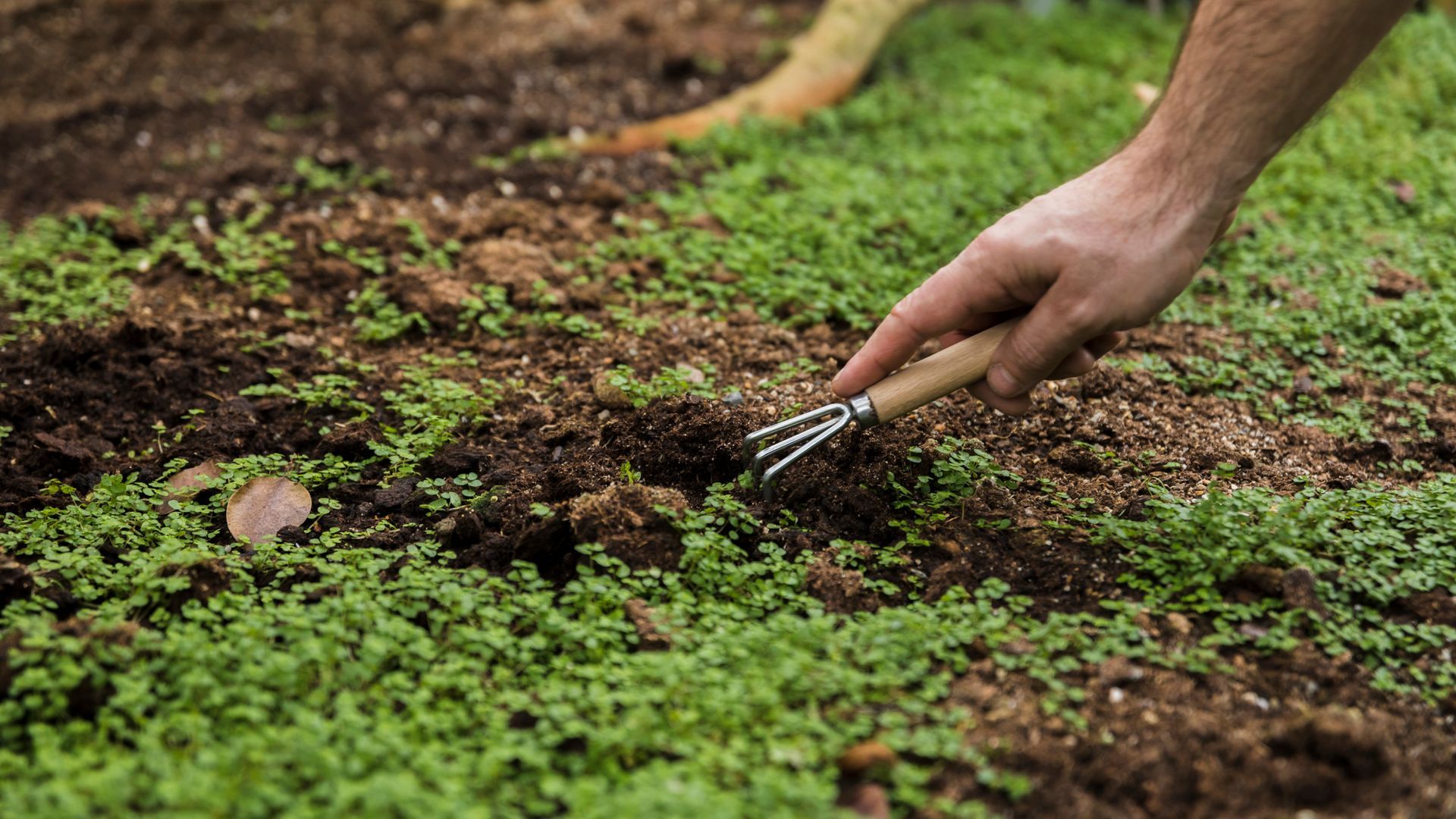
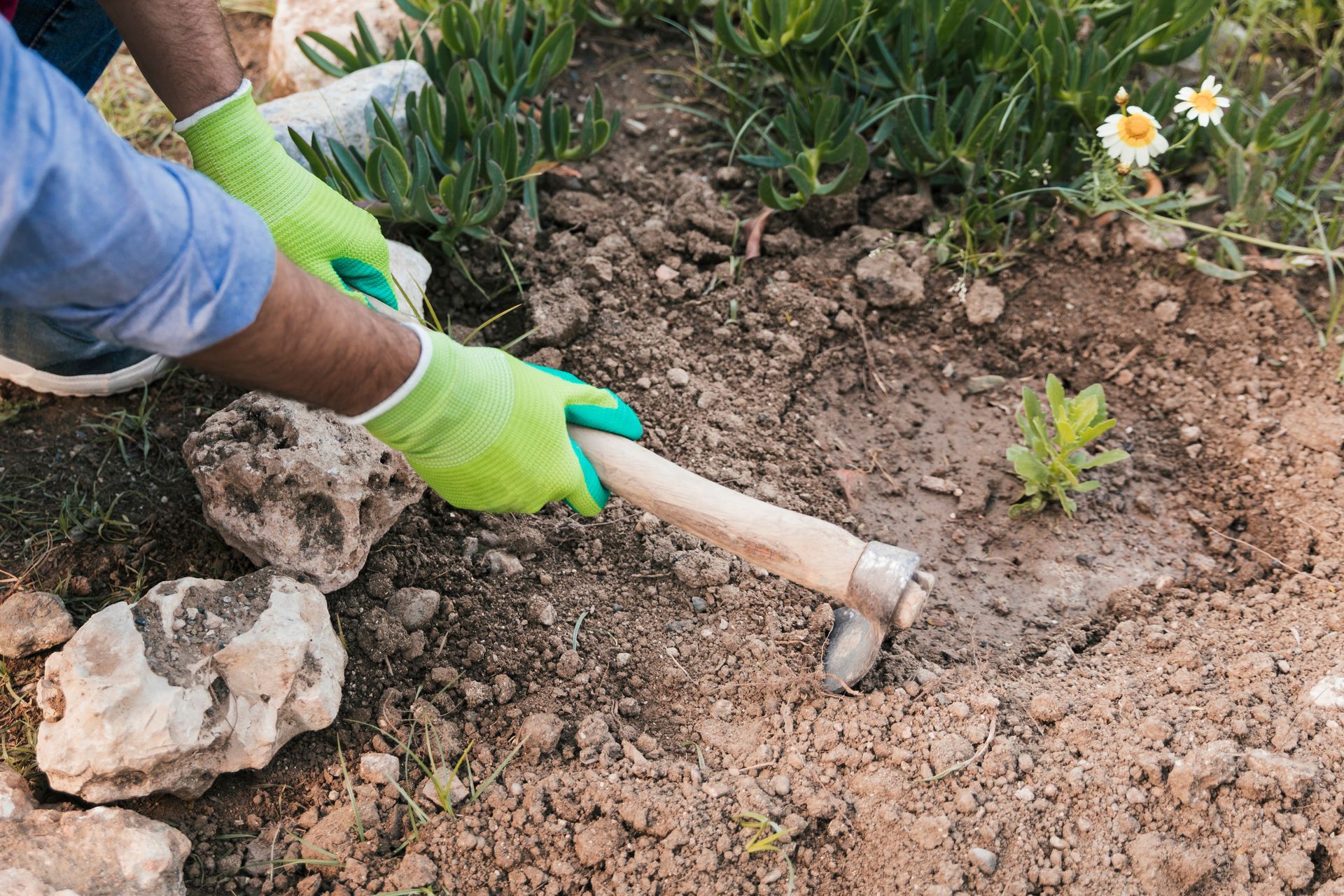
Healthy soil is the backbone of a thriving garden. As December rolls in, it’s important to shield your soil from the harsh cold. Utilizing organic mulch is an effective strategy. This layer acts as an insulator, regulating soil temperature and moisture levels. Not only does mulch protect against erosion, but it also contributes organic matter, enriching the soil as it decomposes over winter. Consider using materials like straw, shredded leaves, or wood chips for optimal results.
Prune with Precision
Winter is an ideal time for pruning because many plants enter dormancy. This allows you to shape your trees and shrubs without disrupting growth. Focus on removing dead or diseased branches to prevent the spread of pests and diseases. With a careful eye, you can also sculpt your plants to encourage healthy growth patterns for the coming year.
Consider the Critters
Cold months can be tough for local wildlife. By incorporating bird feeders and leaving some seed-bearing plants intact, you can support birds and small mammals. They, in turn, contribute to pest control and pollination. Choose feeders that are easy to clean and fill them with seeds that appeal to the local fauna, providing essential nourishment during food-scarce months.
Water Wisely
Though it may seem counterintuitive, watering your plants before the first big freeze can be beneficial. Moist soil retains heat better than dry soil, offering extra protection for roots. Be sure to water deeply but infrequently, allowing moisture to reach down into the soil while preventing waterlogging.
Mind Your Tools
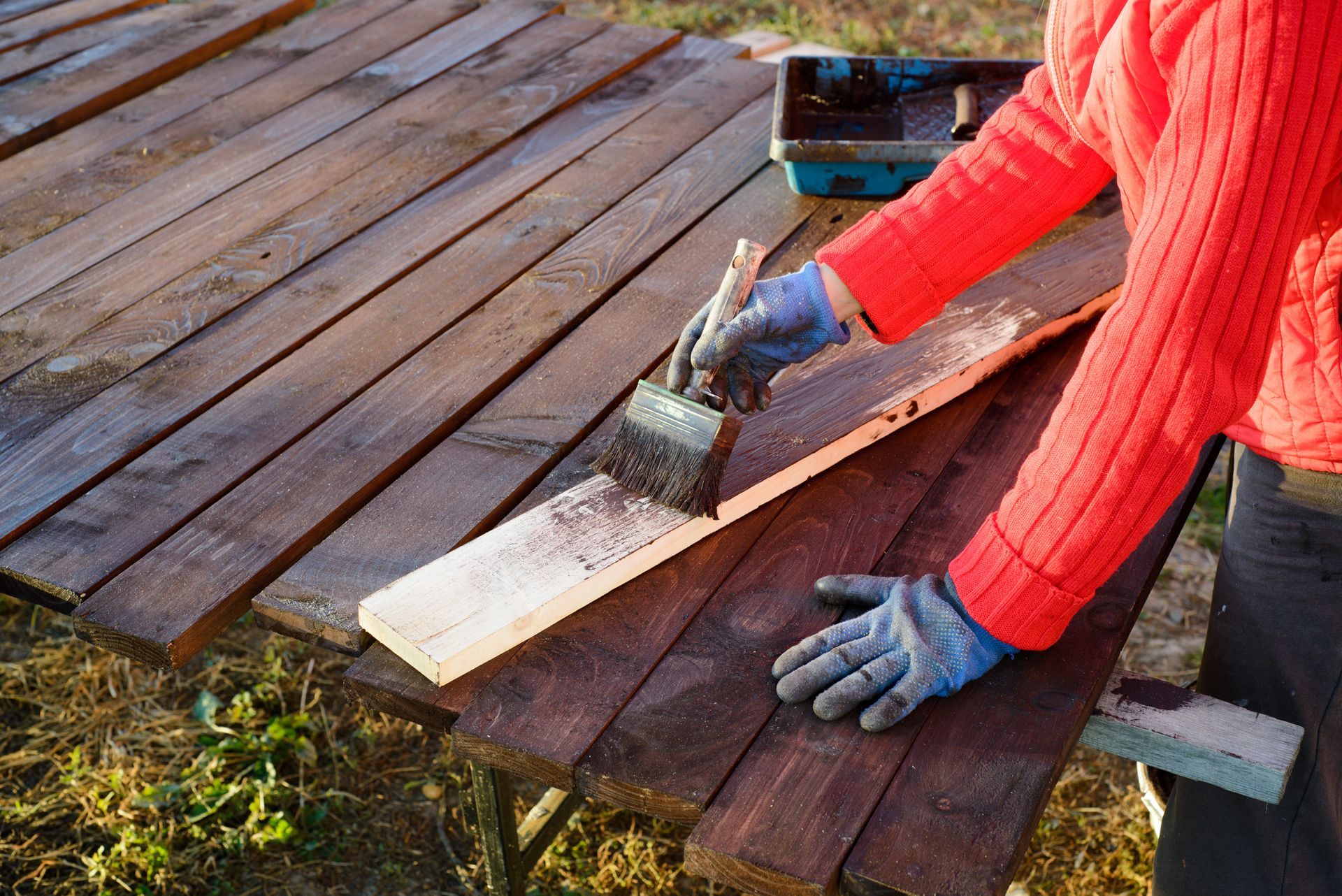
December is an excellent time to take stock of your gardening tools. Clean, sharpen, and oil tools to prevent rust and ensure they are in perfect condition for spring. Store them in a dry, safe place to extend their lifespan. Keeping organized not only saves time but also enhances the efficiency and pleasure of your gardening activities.
Embrace Composting
Don’t let winter halt your composting efforts. By composting kitchen scraps and any garden waste, you create rich, nutrient-dense compost ready to rejuvenate your garden in spring. Remember to maintain a balanced mixture of green and brown materials and turn the pile periodically to aid decomposition.
Plan Ahead
Winter is a great time for reflection and planning. Consider what worked well in your garden over the past year and what could be improved. Planning changes or new plantings now, while the garden is quieter, allows you to make informed decisions without the rush of the growing season. Jot down ideas for incorporating more sustainable practices, whether adding native plants or switching to eco-friendly pest management.
Protect Delicate Plants
Certain plants may need additional protection against extreme cold. Utilize garden fleece, cloches, or cold frames to create a microenvironment for tender species. This ensures they stay healthy and stand a better chance of flourishing when temperatures rise.
Winterizing your garden is about more than just protecting it from the cold. It’s an investment in a verdant spring. By following these expert tips, you create a sustainable environment that nurtures all elements of your garden ecosystem. Each action taken now contributes to the enduring beauty of your outdoor space.
If these tips inspire questions or if you seek tailored advice, reaching out to experienced professionals can make a world of difference. At Shiny Green Landscaping, we’re here to provide personalized guidance and help ensure your garden thrives through every season. Contact us to discover how we can support your landscaping needs with expertise and a commitment to sustainability.
Share This Blog