Designing with Nature: Sustainable Landscape Design Trends for 2026
Shiny Green Landscaping • January 13, 2026
As we step into 2026, the landscape design industry continues to evolve, embracing sustainability more than ever. The current focus is on creating spaces that not only serve aesthetic purposes but also promote environmental well-being. Homeowners are increasingly inclined to integrate natural, eco-friendly elements into their outdoor areas, resulting in innovative and responsible designs.
Biophilic Design: Embracing Natural Connectivity
Biophilic design is a leading trend, emphasizing the connection between people and nature. This approach incorporates elements like natural lighting, vegetation, and water features to create harmonious environments. By using sustainable materials such as recycled wood and stone, designers craft spaces that reduce stress and enhance well-being. The presence of native plants and trees not only enriches biodiversity but also fosters a seamless integration with the surrounding environment.
Edible Landscapes: A Blend of Beauty and Utility
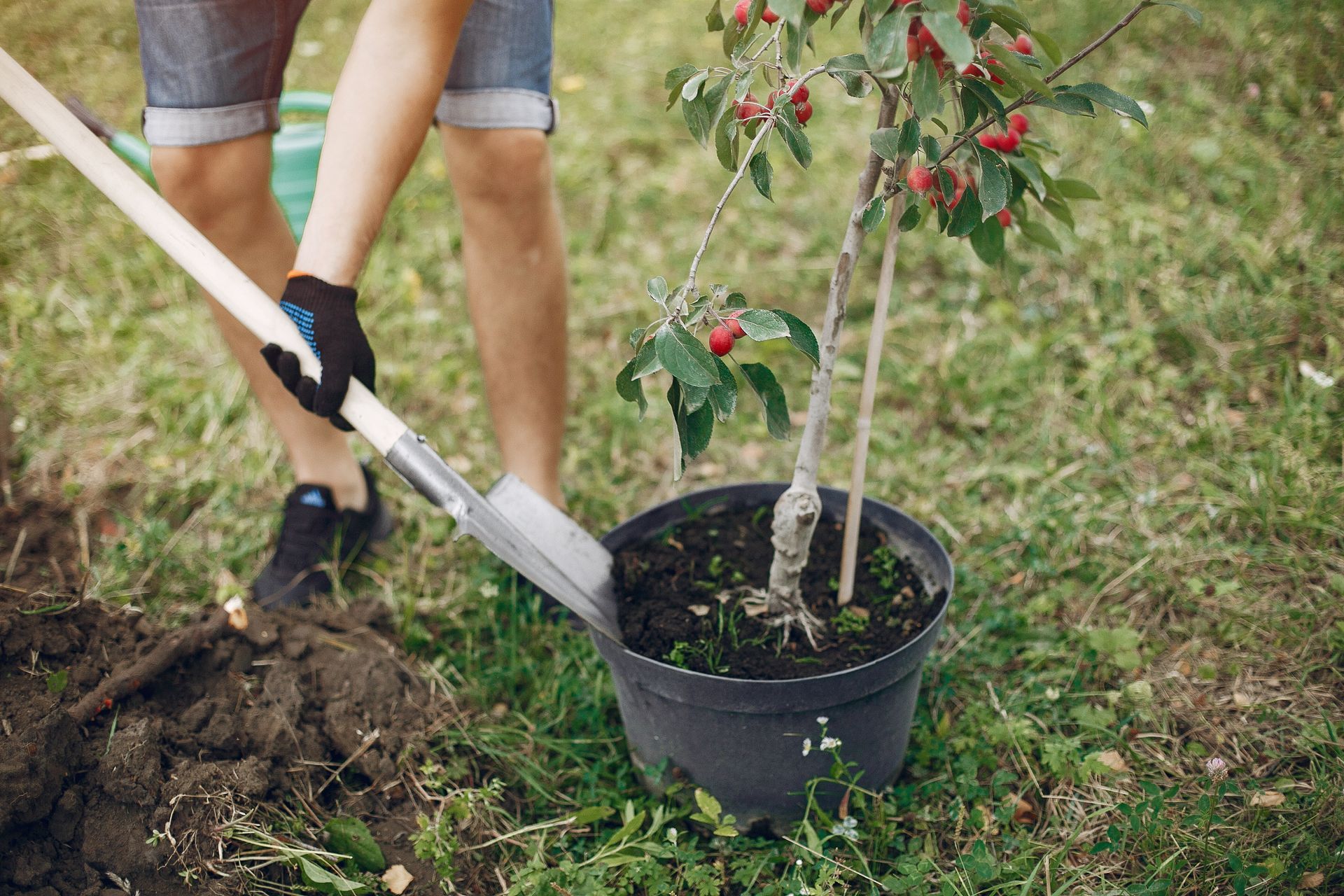
The concept of edible landscapes combines visual appeal with functionality. Incorporating fruit trees, vegetable gardens, and herb plants into your backyard not only reduces your carbon footprint but also provides fresh produce. This trend highlights the benefits of self-sufficiency and encourages a lifestyle that values homegrown foods. By planting native species, these landscapes also aid in preserving local ecosystems and supporting pollinators critical for a thriving garden.
Water-Wise Landscapes: Efficient Use of Resources
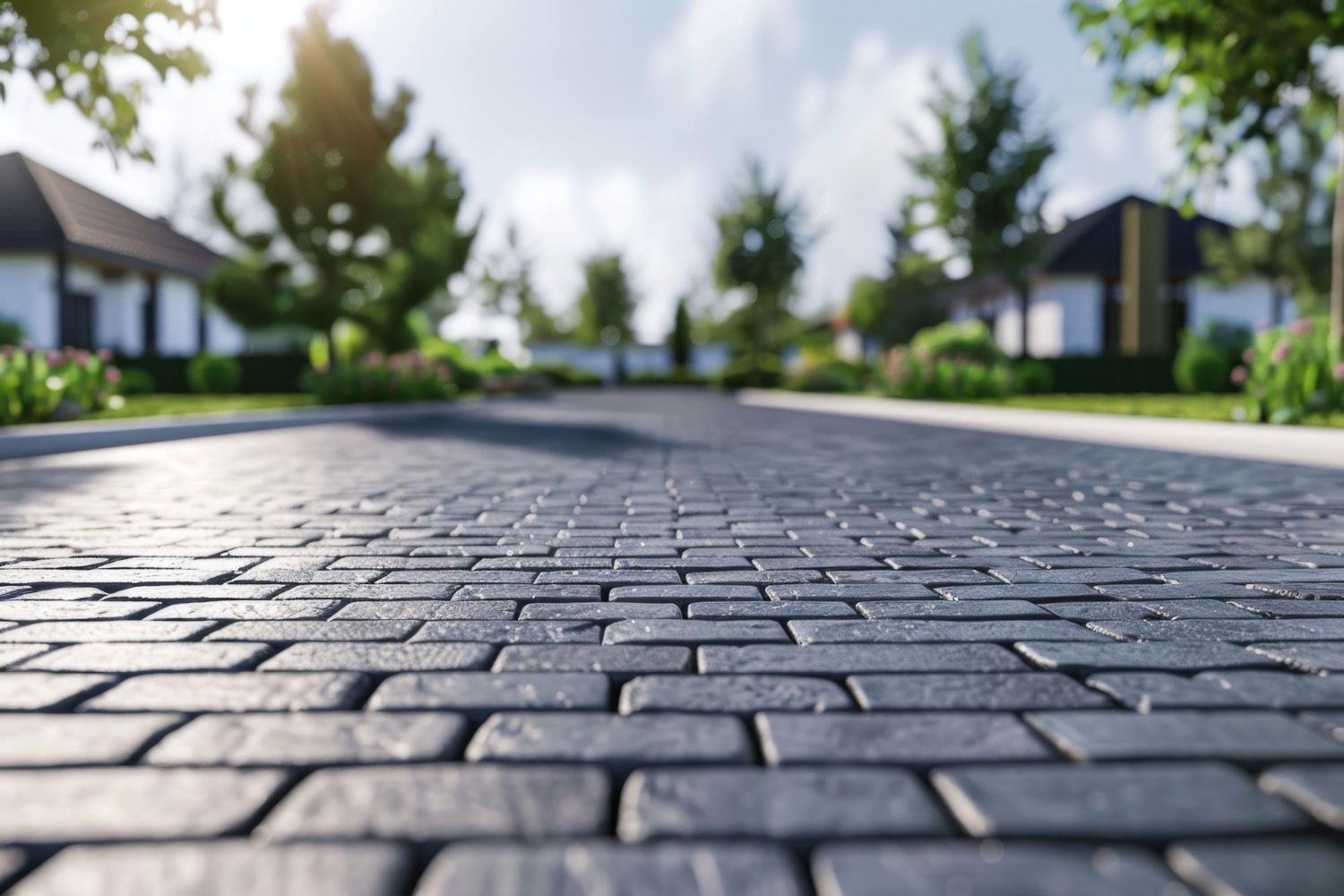
Water-wise landscaping, or xeriscaping, continues to gain traction as water conservation becomes vital. This trend focuses on drought-resistant plants and efficient irrigation systems to minimize water usage without compromising on beauty. By selecting hardy plants such as succulents or ornamental grasses, homeowners can enjoy lush green spaces with less maintenance. Incorporating rain gardens and permeable pavements further enhances water efficiency, ensuring every drop is used wisely.
Multifunctional Spaces: Adaptable Outdoor Living
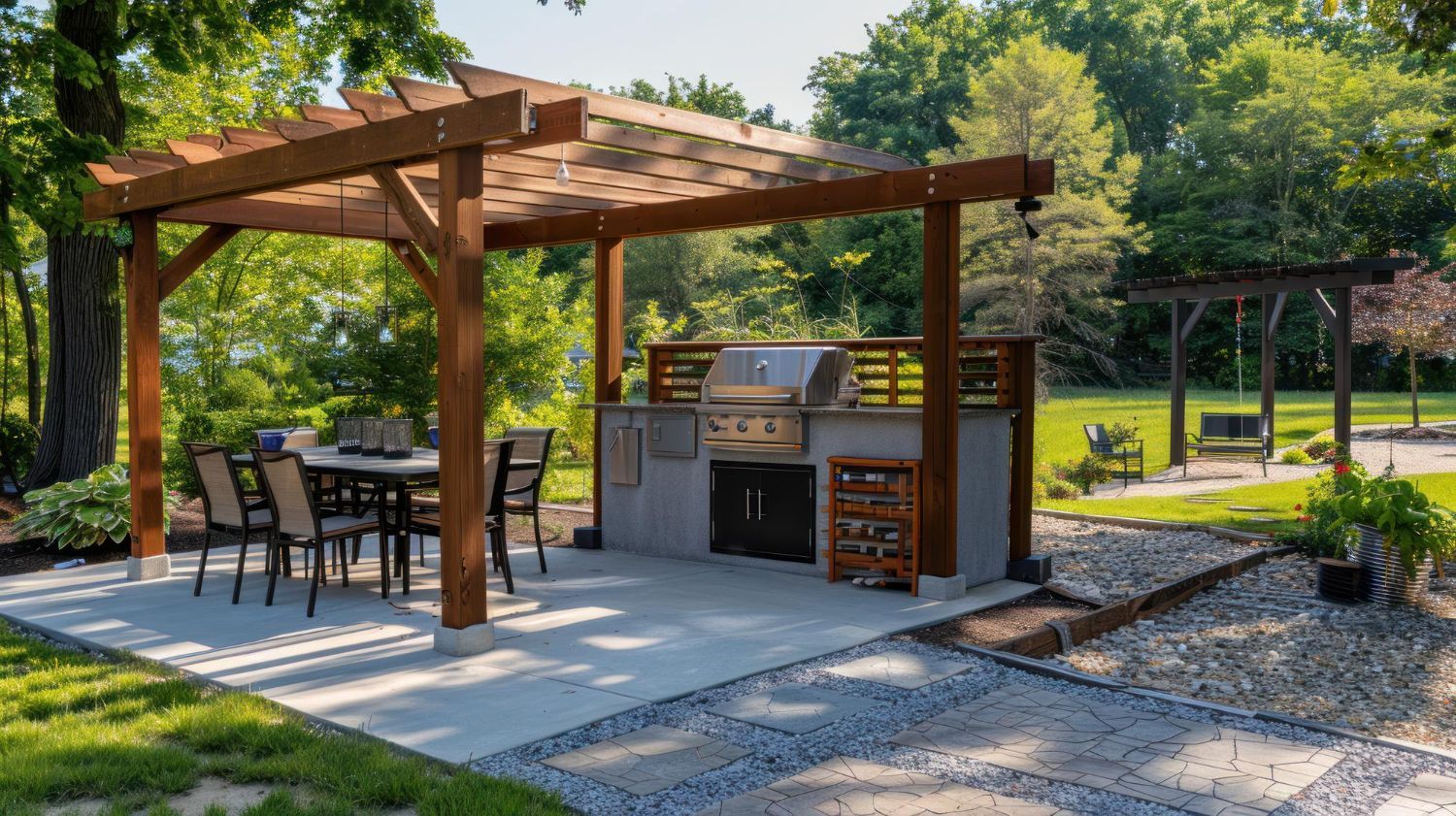
Flexibility is key in today's landscape design trends. Multifunctional outdoor spaces cater to diverse needs, transforming patios into entertainment areas, meditation spots, or even open-air offices. The integration of pergolas, retractable awnings, and strategic lighting allows these spaces to adapt to different seasons and occasions. As a result, homeowners maximize their outdoor areas' potential, enjoying them year-round in various capacities.
Eco-Friendly Materials: Building a Greener Future
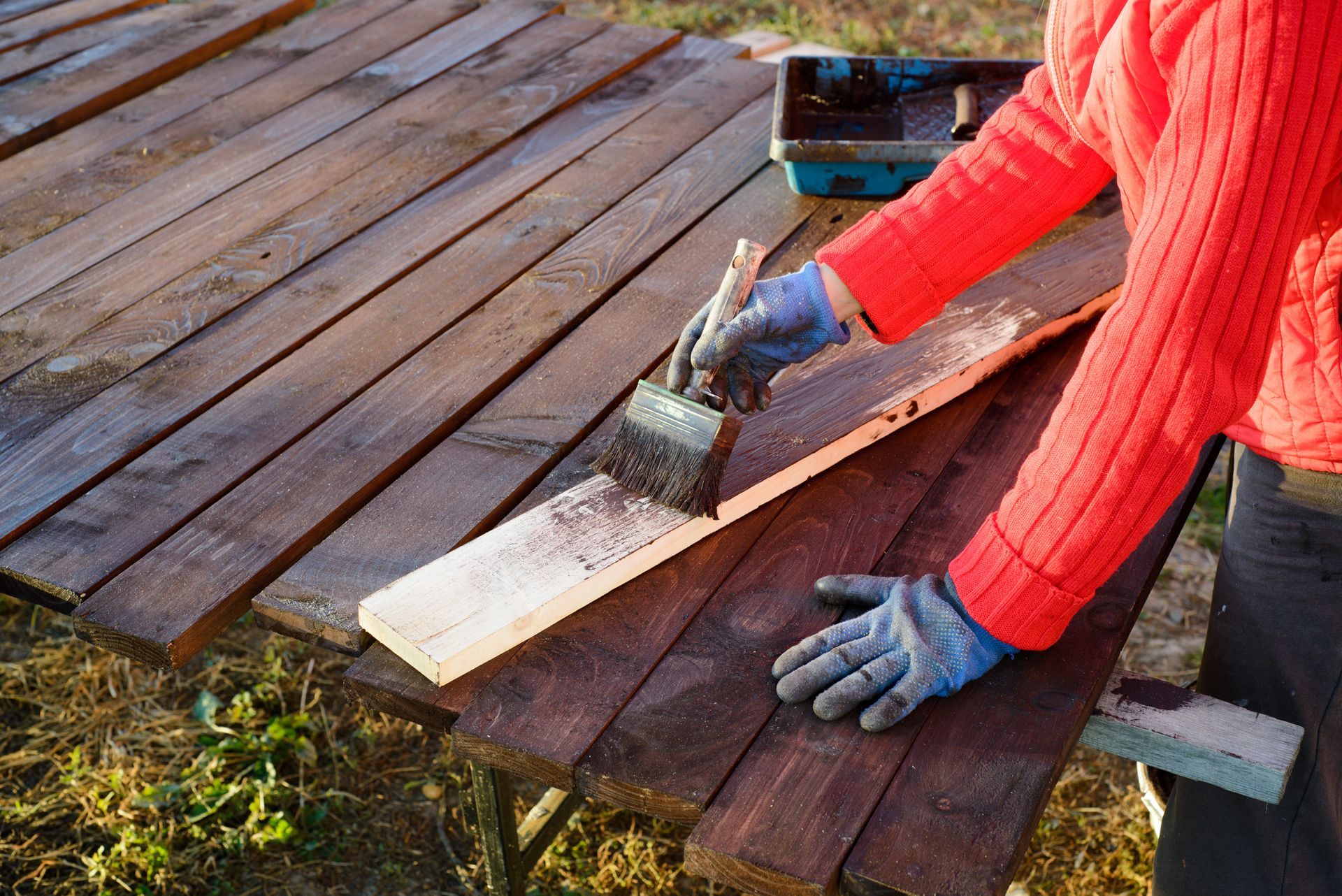
Sustainable materials are at the forefront of landscape design. Using resources like recycled composites, sustainably sourced wood, and eco-friendly concrete alternatives reduces environmental impact during construction. These materials not only boast durability but also contribute to a cleaner planet. Designers are exploring ways to minimize waste by repurposing materials and incorporating them into innovative features like vertical gardens and living walls.
Native Planting: Celebrating Local Flora
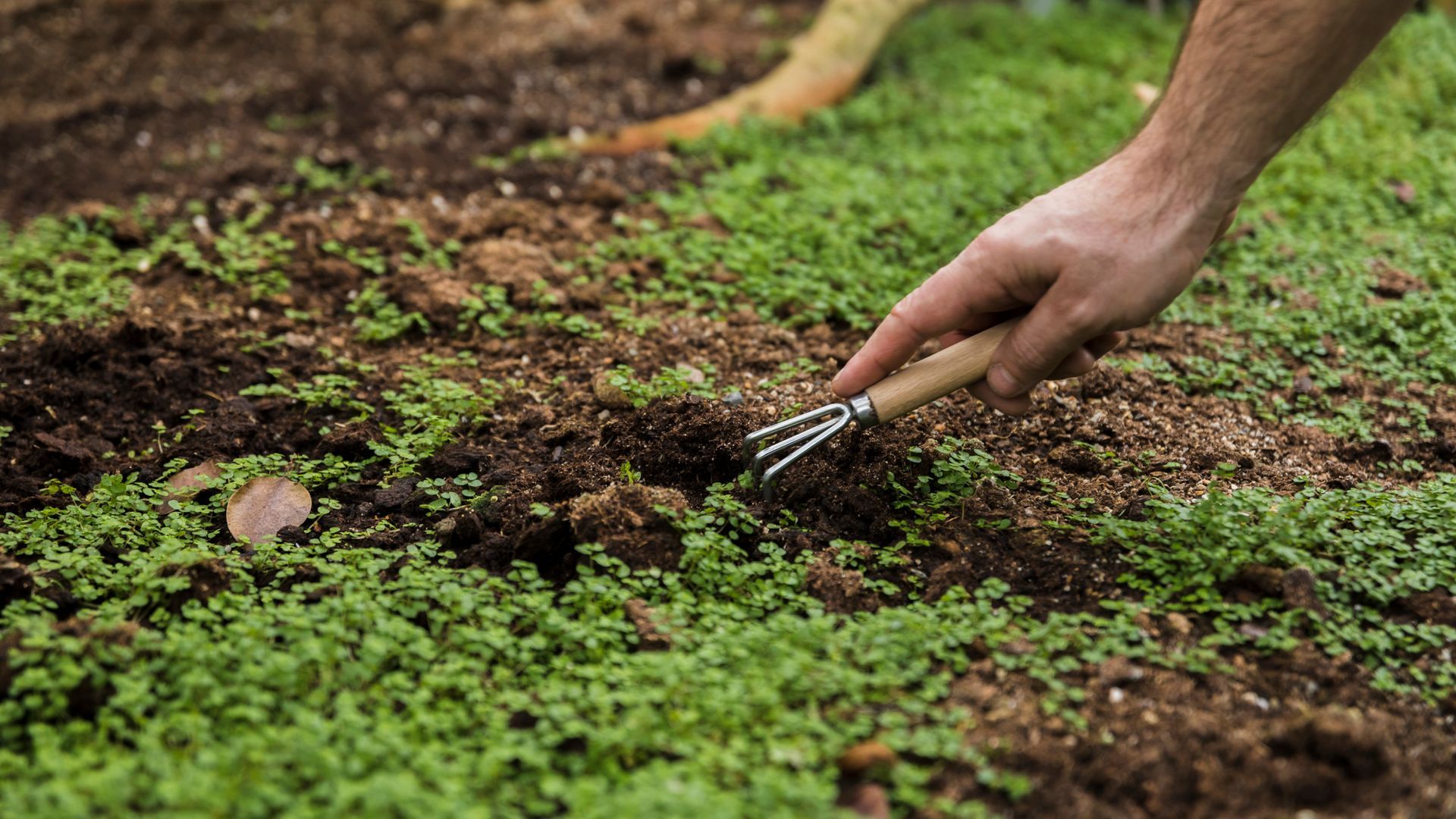
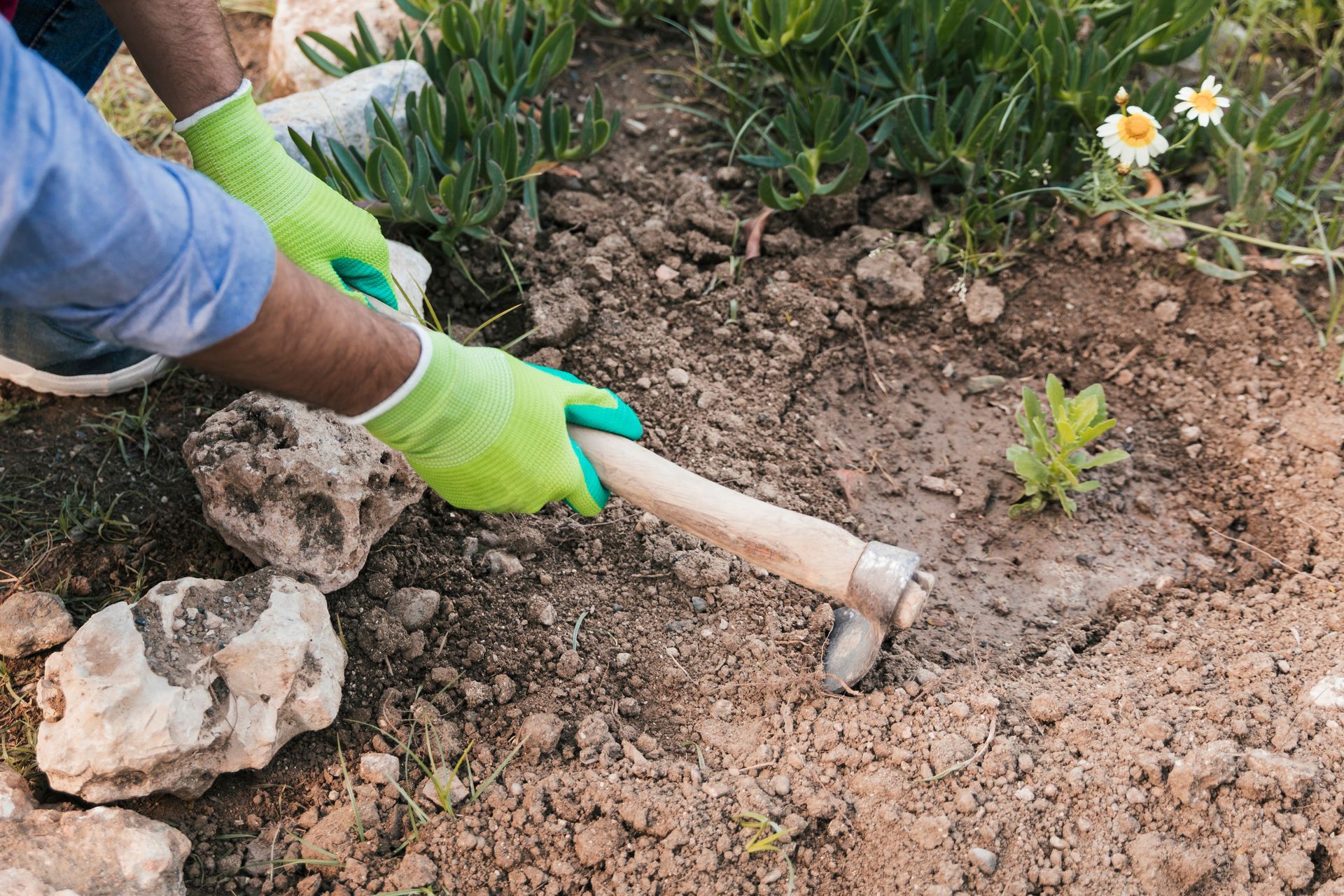
Native planting is another trend that supports sustainability by focusing on flora that naturally thrives in the local climate. These plants require less water and care, reducing the need for chemical fertilizers and pesticides. By embracing native species, landscapes become vibrant and resilient to local pests and diseases. Homeowners are increasingly aware of the ecological benefits, choosing native gardens that support wildlife and maintain ecological balance.
Technological Integration: Smarter Gardens
Technology has found its place in landscaping with the advent of smart irrigation systems, solar-powered lighting, and automated garden tools. These innovations enhance the efficiency of maintaining sustainable landscapes. Smart controllers adjust watering schedules based on weather conditions, while solar lighting ensures energy savings. The integration of these technologies makes managing an eco-friendly garden easier than ever, enhancing convenience without sacrificing sustainability.
Lightscaping Trends: Creative Illumination
Lighting plays a crucial role in landscape design, highlighting features and enhancing ambiance. The current trend leans towards energy-efficient solutions that focus on strategic lighting placement. LED lights, solar-powered lamps, and motion sensors provide eco-friendly options that bring gardens to life. Designers are experimenting with colored lighting to emphasize seasonal themes, making outdoor spaces inviting and dynamic throughout the year.
As sustainable design continues to evolve, it offers exciting possibilities for creating outdoor spaces that are beautiful and environmentally responsible. These trends highlight the value of thoughtful design in fostering a harmonious relationship between humans and nature. At Shiny Green Landscaping, we are dedicated to helping you navigate these trends to create your ideal outdoor haven. Reach out to our expert team today to discuss your vision and discover how we can bring it to life with innovative, sustainable practices.
Share This Blog