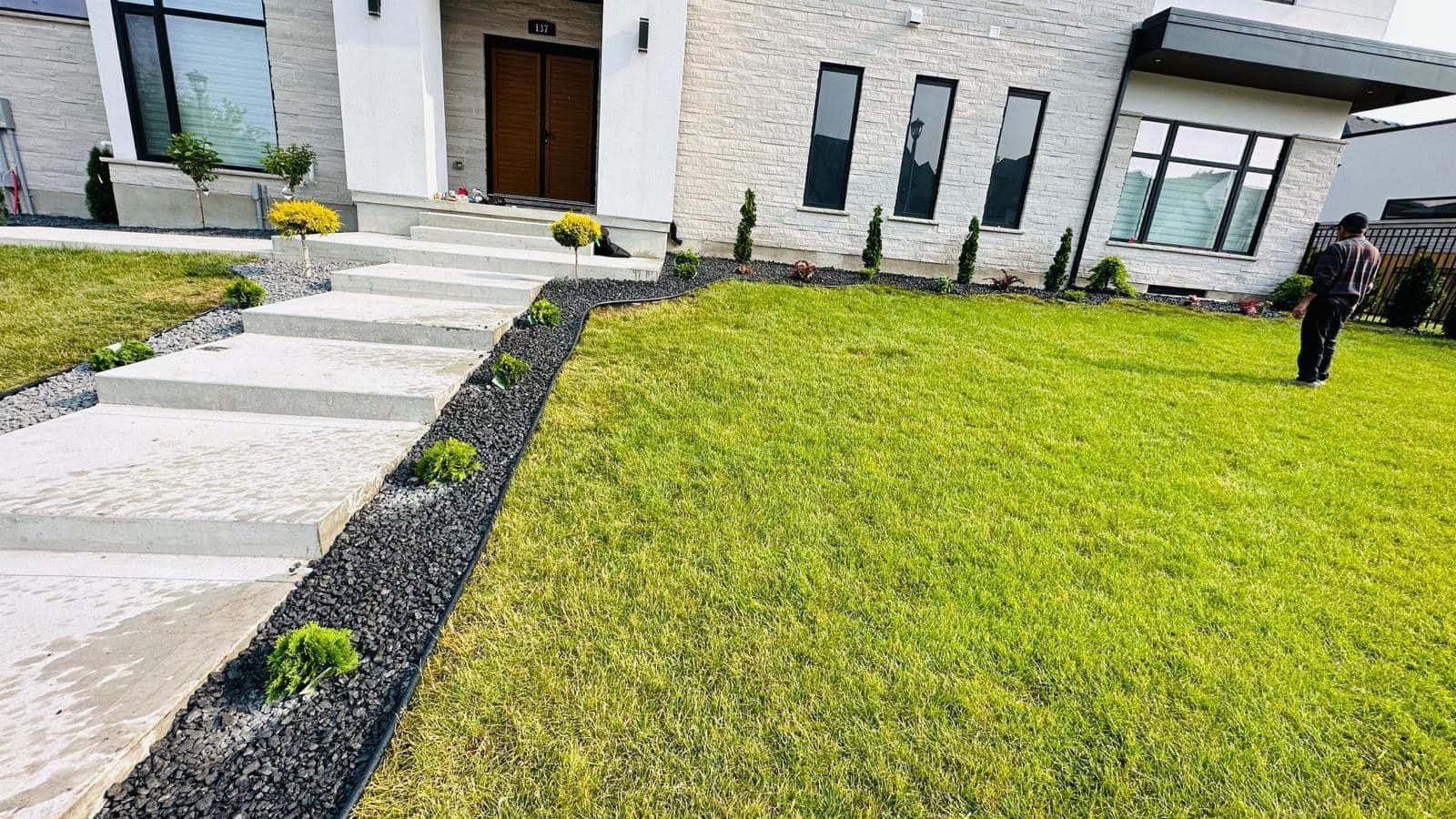
4 Property Maintenance Rules for Commercial Retail Spaces
Shiny Green Landscaping • September 22, 2026
Messy storefronts and overgrown parking lots actively drive paying customers away from retail spaces. When wet autumn leaves pile up on concrete walkways they create serious slip hazards that put business owners at massive liability risk. At Shiny Green Landscaping we see exactly how fast a neglected exterior hurts foot traffic and damages a local brand reputation.
Taking control of your commercial landscaping requires strict routines rather than reactive weekend cleanup efforts. Facility managers need a predictable system to keep entryways clear and parking perimeters safe before the heavy winter weather hits. We broke down the essential rules that keep retail environments looking sharp and structurally secure throughout the busy autumn shopping season.
What We Cover:
Tip #1: Prioritize Hardscape Safety Over Garden Aesthetics
Tip #2: Clear Wet Leaves Daily to Prevent Concrete Stains
Tip #3: Prune Sightlines Around Entrances and Parking Exits
Tip #4: Inspect and Repair Retaining Walls Before the Freeze
Frequently Asked Questions
Tip #1: Prioritize Hardscape Safety Over Garden Aesthetics
Retail property managers often worry about planting fall flowers while completely ignoring the physical condition of their walkways. Cracks in concrete and loose interlocking stones become major trip hazards the moment they get covered in wet foliage.
• Surface Audits: Walk the property weekly to identify heaving concrete pads or loose stones near the main entry doors.
• Rapid Patching: Fill small asphalt potholes and level tripping hazards before the ground freezes and makes repairs impossible.
• Traction Management: Keep coarse sand on hand to treat slick concrete areas that hold morning frost.
→ From a professional standpoint: Your highest maintenance budget should always go toward the ground your customers actually walk on.
Tip #2: Clear Wet Leaves Daily to Prevent Concrete Stains
Allowing fallen leaves to rot on your sidewalks does more than just look terrible to passing foot traffic. The decaying organic matter leaches tannins into the porous concrete which leaves permanent dark brown stains that pressure washing cannot fully remove.
• Leaf Blowing: Push leaves out of pedestrian pathways and parking spots early in the morning before customers arrive.
• Catch Basin Clearing: Pull debris off storm drain grates to prevent massive parking lot floods during autumn rainstorms.
• Routine Bagging: Remove the organic waste from the property rather than just blowing it against the building foundations.
Tip #3: Prune Sightlines Around Entrances and Parking Exits
Overgrown bushes block security cameras and create dangerous blind spots for vehicles pulling out of your retail lot. In busy shopping districts like Downtown Galt in Cambridge maintaining clear visibility is a strict requirement for public safety.
• Canopy Lifting: Cut lower branches on mature trees to keep a clear line of sight across the entire parking area.
• Signage Clearance: Trim back aggressive ivy or heavy shrubs that obscure your business signage or directional arrows.
• Security Lighting: Ensure no branches block the floodlights that keep your property secure after dark.
► The biggest liability risk a business faces in autumn is a vehicle collision caused by an overgrown shrub blocking a stop sign.
Tip #4: Inspect and Repair Retaining Walls Before the Freeze
Commercial retaining walls hold back massive amounts of soil pressure that only gets heavier when autumn rains soak the dirt. Identifying small cracks or bowing stones right now gives you time to fix the structural weakness before winter ice blows the wall apart completely.
• Drainage Weep Holes: Poke a wire through the drainage holes at the base of the wall to ensure trapped water can actually escape.
• Capstone Checks: Re-secure any loose top stones to prevent water from pouring directly down into the core of the wall.
• Plumb Line Testing: Use a level to check if the wall has started leaning outward under the weight of wet soil.
Frequently Asked Questions
How much does commercial landscape maintenance cost?
The price depends entirely on the square footage of your property and the frequency of site visits required to keep it safe. High traffic retail plazas need weekly blowing and debris removal which costs more than a monthly checkup at a quiet industrial park. Securing a seasonal contract usually lowers the per visit rate and guarantees you get priority service after big storms.
What should a weekly property upkeep schedule include?
A proper weekly routine must tackle the immediate safety hazards before touching the decorative elements. The crew should blow the sidewalks clear of leaves check the parking lot storm drains for blockages and pick up any loose trash blown into the bushes. Once the hard surfaces are secure they can move on to trimming dead plant material and pulling late season weeds.
Who is liable for slip and falls on retail walkways?
The property owner or the business leasing the space holds the physical liability for any injuries caused by neglected exterior maintenance. If a customer slips on wet leaves or trips over an uneven paver the business is responsible for the resulting damages. Hiring a professional maintenance crew creates a documented history of proper care which heavily protects you from negligence claims.
Secure Your Commercial Property for the Season
Neglecting your retail exterior puts your customers at risk and drives away potential sales. Implementing strict maintenance rules now keeps your hardscapes safe and your business looking sharp all season long. Reach out to our crew to build a custom property upkeep plan that protects your commercial investment.
Share This Blog