The Truth About Native Plant Growth Rates in Your First Year
Shiny Green Landscaping • August 25, 2026
Many homeowners expect a brand new garden to look exactly like a magazine cover the day the digging stops. At Shiny Green Landscaping we constantly remind our clients that a sustainable landscape operates on its own timeline. Installing native plants is a long term investment rather than an overnight magic trick. The reality is that these species are focusing all their energy below the dirt during their first twelve months.
Understanding how these hardy species actually grow prevents frustration and stops you from accidentally overwatering or overfeeding them. When you know what is happening under the ground you can relax and trust the process. Setting proper expectations from day one guarantees your new landscape installation will eventually become the rugged and beautiful space you envisioned.
In This Article:
- The Instant Garden Myth vs. Reality
- Root Establishment Always Precedes Visible Growth
- How Soil Preparation Speeds Up the Timeline
- Frequently Asked Questions
The Instant Garden Myth vs. Reality
A common overestimation we hear is that a new installation will explode with massive blooms by the end of the first month. People buy big pots from the garden center and assume the plant will double in size immediately after going into the ground. Native plants simply do not work that way because they are biologically programmed to prioritize survival over looking pretty.
When you pull a plant out of a perfect nursery environment and put it into real weather it goes into a brief state of shock. It stops trying to grow leaves and instead works to figure out its new environment. The foliage might even look a bit sparse for the first few months while it gets adjusted to the actual climate of your yard.
→ From a professional standpoint: Do not judge the success of your new garden until it has survived one complete cycle of all four seasons.
Root Establishment Always Precedes Visible Growth
The famous saying in the landscaping trades is that new plants sleep in year one, creep in year two, and leap in year three. During that first year after planting almost one hundred percent of the biological energy is pushed straight down into the roots. The top of the plant might look completely static or even slightly ragged while the unseen root system is expanding rapidly to find water and nutrients.
This deep root development is exactly what makes these species so incredibly resistant to droughts later on in their life. You have to endure the quiet first year to get the bulletproof garden you want in year three. Skipping the constant fussing and letting the plant do its quiet underground work is the secret to a thriving yard.
→ A quick tip to remember: If your new shrubs look exactly the same size in October as they did in May they are actually doing exactly what they are supposed to do.
It is a pattern the team at Shiny Green Landscaping hears regularly when clients trust the process and let us handle the foundational layout and planting the right way.
► Client Experience: Ali and his partner did a great job with my 3-tiered garden at the front of my home. He re-set the stone, applied screening and mulch and added additional plants free of charge. He made a well-designed layout and was fast and thorough, all at a great price. I would highly recommend.
Getting the base layout and soil structure correct from the start gives those root systems the perfect environment to thrive.
How Soil Preparation Speeds Up the Timeline
While you cannot force a plant to skip its natural growth cycles you can definitely slow it down by ignoring the dirt. Cambridge Ontario is a city shaped by its rivers and built on history which often leaves yards with heavily compacted or rocky soil. The Village of Ayr Ontario features numerous historic buildings and cultural heritage landscape features where the ground has settled and hardened over many decades.
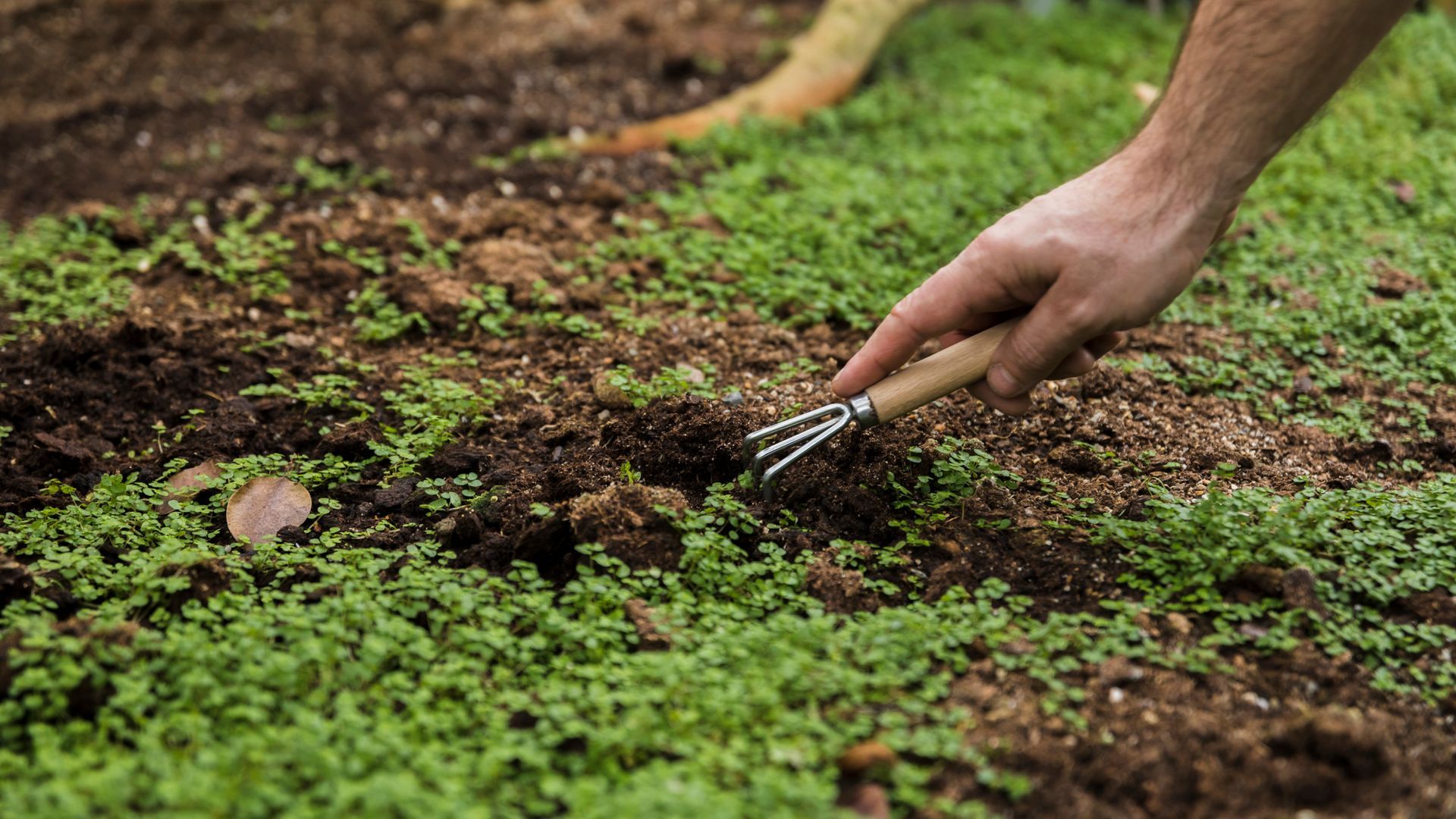
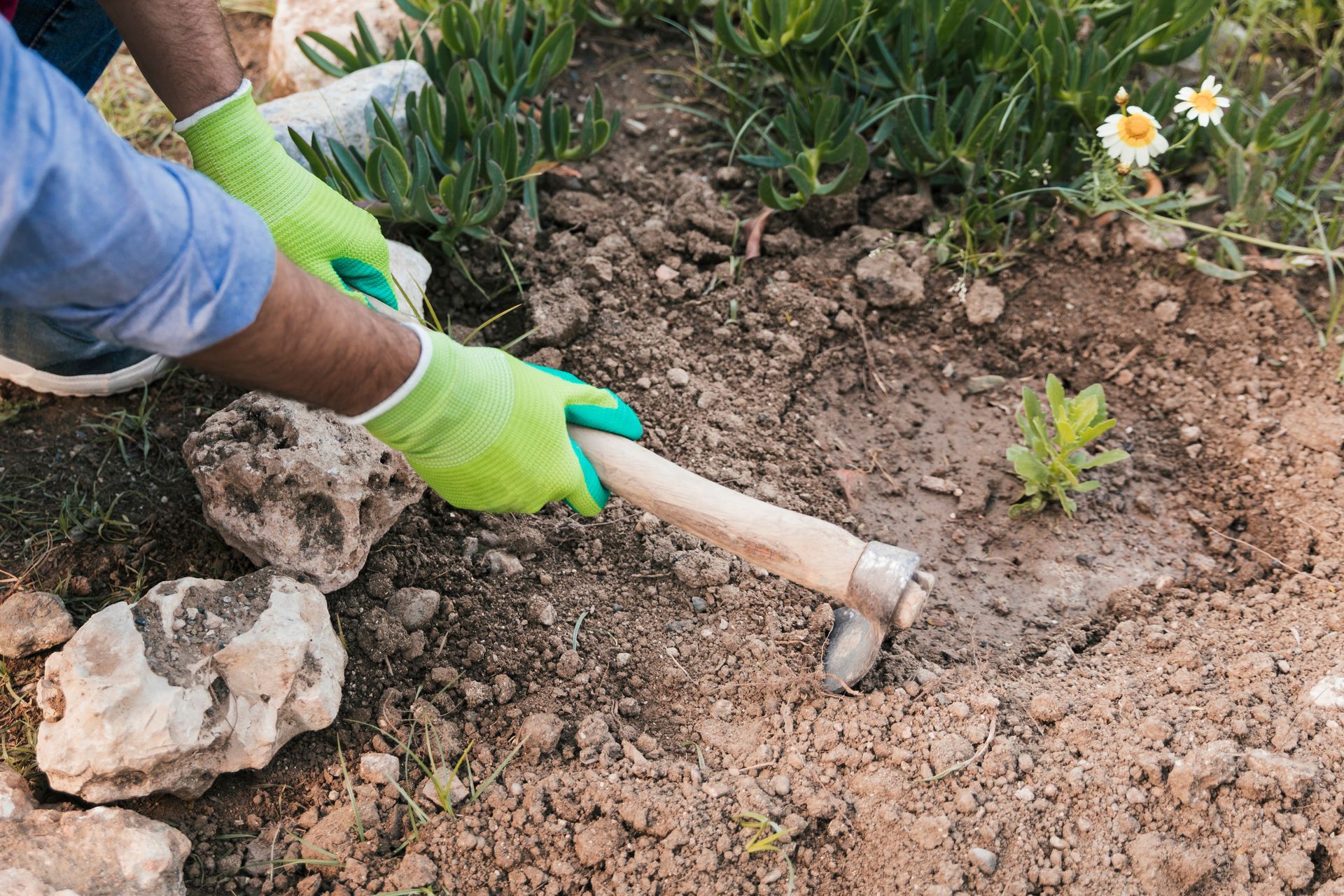
If you just dig a hole and shove a root ball into hard clay the plant will struggle to push its roots outward and the sleep phase will last much longer. Proper bed preparation involves breaking up that tough dirt and mixing in the right materials to ensure success.
• Soil Aeration: Breaking up hard dirt gives tender roots the physical space they need to stretch.
• Organic Additives: Mixing in compost feeds the biological activity that native species rely on for nutrients.
• Moisture Retention: Properly prepped beds hold the exact right amount of water without turning into a muddy swamp.
→ From a professional standpoint: Loosening the soil twice as wide as the root ball is the single best way to guarantee faster top growth in the second year.
Frequently Asked Questions
How long do native shrubs take to grow?
Most native shrubs take between two and three full growing seasons to reach their established size and start producing heavy blooms. The first year is strictly for root development and surviving the transplant shock. By the third spring you will see explosive vertical growth and vibrant foliage that requires very little extra watering.
Why do new plants look wilted after installation?
Wilted leaves immediately after planting are a classic sign of transplant shock rather than a lack of water. The fine root hairs that absorb moisture get damaged during the digging process and the plant temporarily shuts down its leaves to conserve energy. Keeping the soil consistently damp but not flooded will help the plant repair itself and bounce back within a few weeks.
What soil pH is best for native species?
Most of the local species native to this region prefer a slightly acidic to neutral soil pH ranging from 6.0 to 7.0. Testing the dirt before planting ensures nutrients remain unlocked and available for the struggling new root systems. If the dirt is too alkaline the plant will simply sit there and turn yellow no matter how much water you give it.
Set Your Yard Up for Long Term Success
Building a resilient landscape takes patience and proper ground preparation. When you combine expert tree planting with realistic expectations your property will eventually reward you with a rugged and beautiful garden. Reach out to our crew today to get your yard prepped and planted the right way for the years to come.
Share This Blog