What to Know About Soil Composition Before Starting Grading
Shiny Green Landscaping • August 19, 2026
Earth moving looks straightforward until a bulldozer unearths a hidden utility line or sinks into unstable clay. Homeowners frequently rush into land grading projects to fix drainage issues without truly understanding what lies beneath the surface of their grass. At Shiny Green Landscaping we know that blindly cutting into a yard is the fastest way to cause structural damage to your property.
Proper site preparation requires a deep look at the soil composition and existing landscape before any heavy equipment arrives. When you take the time to assess dirt density and local regulations you prevent costly foundation cracks and erosion problems down the road. Fixing the grade the right way ensures that surface water naturally flows away from your home instead of pooling against it.
What We Cover:
- Understanding Your Soil Profile First
- Red Flags to Watch for in Excavation Quotes
- Questions You Must Ask Before Heavy Machinery Arrives
- How Proper Land Grading Protects Your Foundation
Understanding Your Soil Profile First
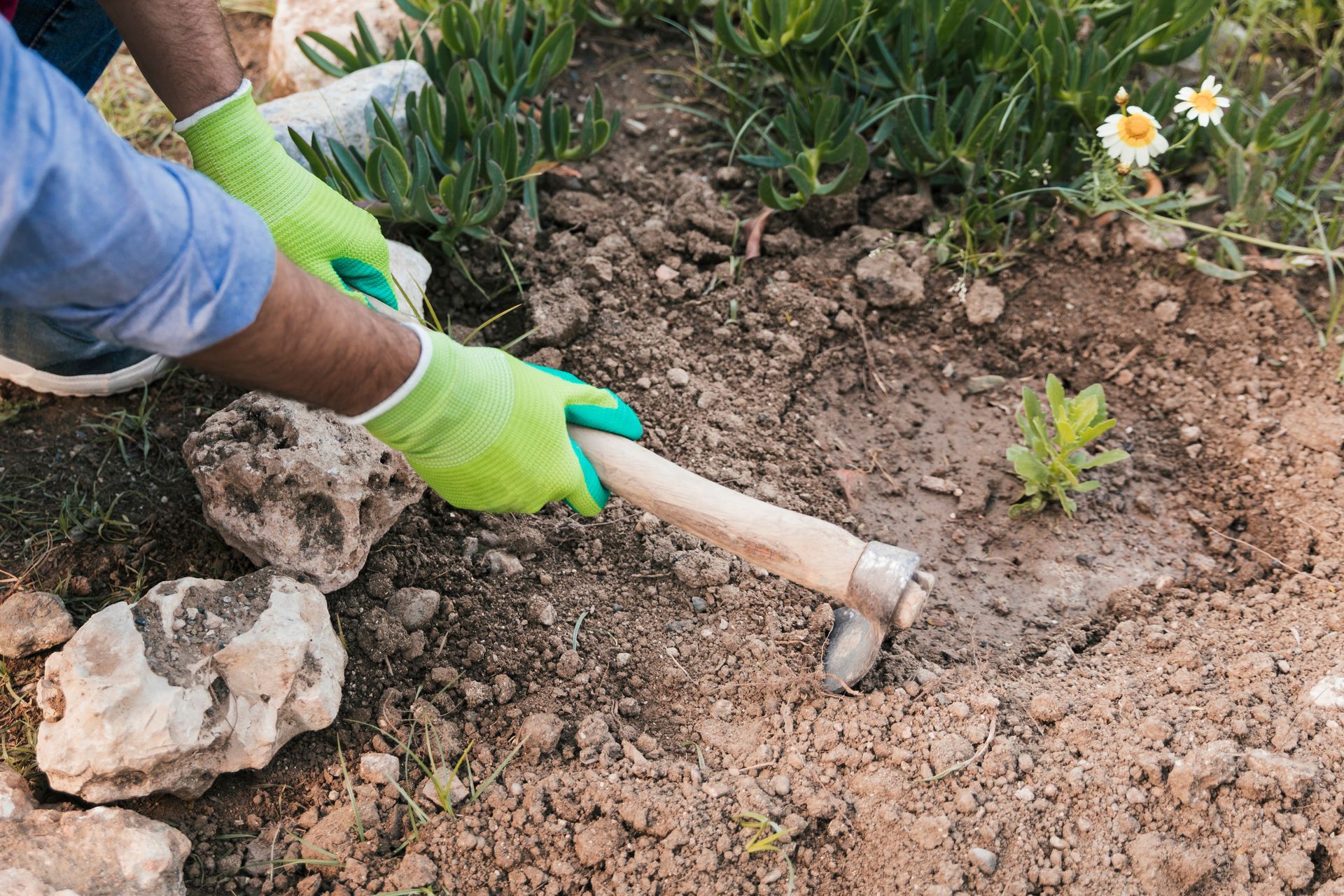
Every property has a unique dirt profile that dictates exactly how the earth will behave once it is disturbed. Cambridge Ontario is a city shaped by its rivers and built on history which means the ground often contains heavy river clay and hidden rocks. Moving this dense material requires entirely different equipment than pushing loose sandy loam.
• Clay Expansion: Heavy clay holds water and expands significantly which can ruin a newly leveled slope if not compacted properly.
• Sandy Drainage: Loose dirt drains fast but washes away during heavy rain if erosion control measures are not instantly put in place.
• Buried Debris: Older properties frequently hide buried concrete chunks or old tree stumps that must be physically dug out.
→ A quick tip to remember: The type of dirt you have dictates the size of the excavator needed to safely complete the job.
Red Flags to Watch for in Excavation Quotes
When you start comparing bids for earth moving it is vital to spot the warning signs of a cut corner contractor. Unusually low quotes usually mean the crew is skipping crucial preparation steps or planning to leave the excavated dirt in a massive pile on your driveway. You want a team that plans for the unexpected rather than one that charges hidden fees the moment they hit a rock.
• No Utility Locates: A contractor who does not mention calling to mark underground gas or electrical lines is a massive liability.
• Vague Haul Away Terms: Quotes must explicitly state who is responsible for hauling away excess dirt and rock.
• Missing Compaction Steps: Simply pushing dirt around is not enough because loose earth will settle and ruin the slope after the first rainstorm.
Do you need a permit for land grading in Ontario?
Most municipalities require a site alteration permit if you are moving a significant volume of earth or changing the natural flow of water near property lines. In places like the Village of Ayr Ontario which is an exceptionally intact nineteenth-century village altering the landscape around historic buildings carries even stricter rules. A reputable contractor will pull the local bylaws and manage the permitting process before starting the engine on their backhoe.
Questions You Must Ask Before Heavy Machinery Arrives
Do not let a contractor start tearing up your yard without getting clear answers to logistical questions. Heavy equipment causes collateral damage to your grass and driveways if the crew lacks a solid access plan. Asking the right questions upfront protects your existing landscape and prevents stressful surprises.
• Access Routes: Ask exactly where the machines will enter the yard and how the crew will protect your existing walkways.
• Erosion Control: Question what temporary measures they use to stop mud from washing into your neighbor's yard during the project.
• Follow Up Services: Confirm if the team can handle the installation of retaining walls or fresh sod once the dirt work is finished.
► Never assume a grading quote includes the final topsoil and grass seed unless it is explicitly written on the contract.
How Proper Land Grading Protects Your Foundation
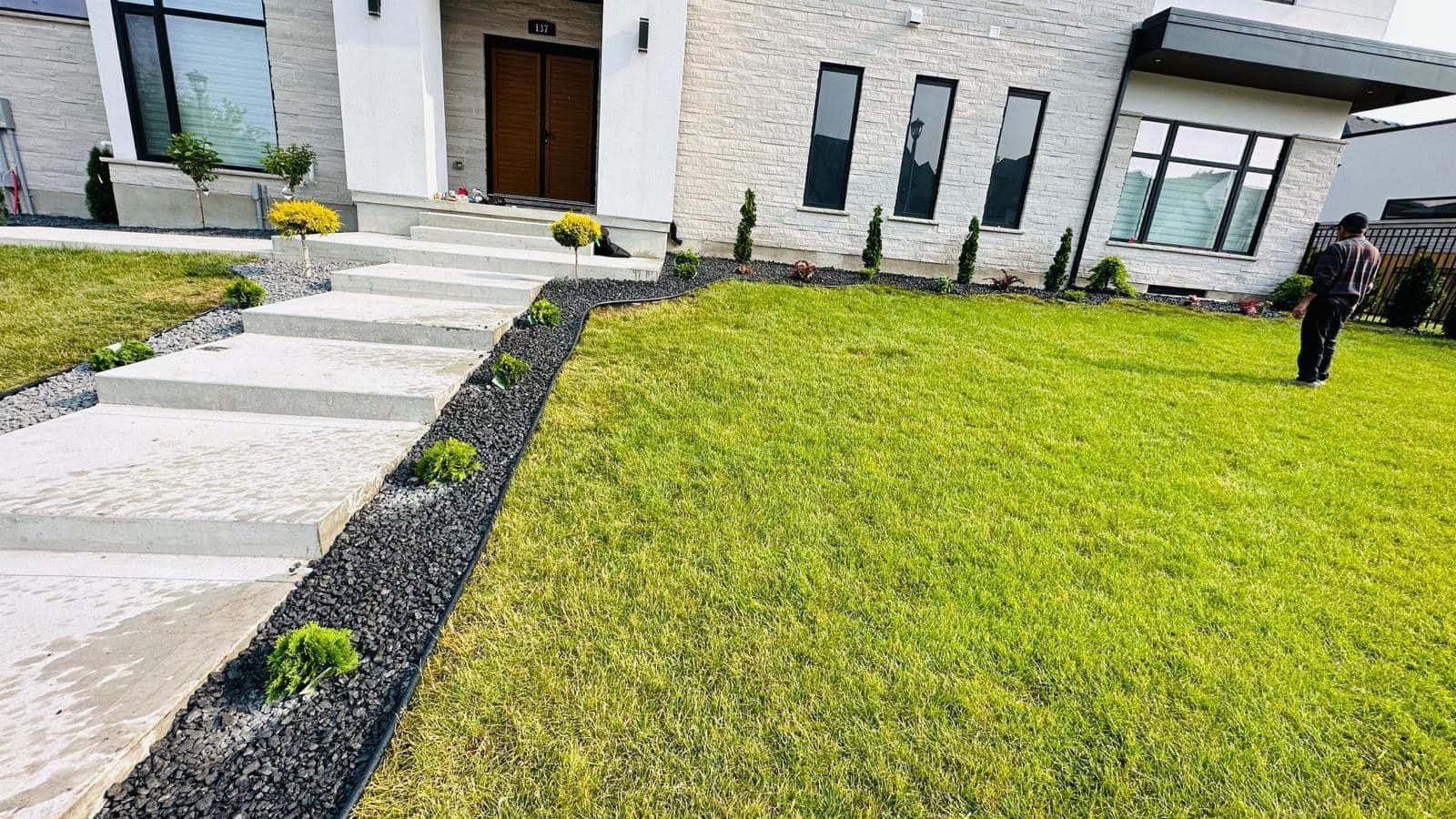
The primary goal of any grading project is directing water safely away from your living space. When earth is moved without a strict adherence to slope calculations water will eventually find its way back toward your concrete foundation. This leads to flooded basements and cracked walls as the ground freezes and thaws throughout the winter.
• Pitch Calculations: The ground should drop at least six inches over the first ten feet away from the house walls.
• Trenching Needs: Sometimes surface sloping is not enough and underground trenching is required to route roof runoff to the street.
• Settling Allowances: Freshly moved dirt needs time to settle or requires heavy mechanical compaction to remain stable long term.
→ From a professional standpoint: A perfectly graded yard acts as an invisible shield that deflects thousands of gallons of water away from your basement every year.
Get Your Site Prepared the Right Way
Moving earth is a heavy investment that requires precision and local soil knowledge to get right. Do not risk your property with incomplete preparation or unpermitted digging. Reach out to our crew to assess your grading needs and secure a stable foundation for your next outdoor project.
Share This Blog