5 Proven Steps to Restore Compacted Soil Before Autumn Hits
Shiny Green Landscaping • August 11, 2026
Summer gatherings and heavy foot traffic take a serious toll on residential lawns by the time August rolls around. At Shiny Green Landscaping we constantly see yards suffering from compacted soil where water pools on the surface instead of soaking down to the roots. The dirt becomes hard like concrete and physically chokes out healthy grass growth before the season even finishes.
Fixing this requires more than just throwing down extra fertilizer or running the sprinklers twice a day. Real recovery involves physically opening up the ground and introducing the right organic matter before autumn weather arrives. Taking these steps now ensures your property recovers its natural drainage and prepares the root systems for the colder months ahead.
What We Cover:
Tip #1: Identify the True Severity of Compaction
Tip #2: Schedule Proper Core Aeration
Tip #3: Make Soil Amendments Part of Landscape Maintenance
Tip #4: Over-Seed While the Ground is Open
Tip #5: Adjust Your Watering Schedule Immediately
Frequently Asked Questions
Tip #1: Identify the True Severity of Compaction
Before you start treating the lawn you need to know exactly how hard the earth actually is. Many homeowners mistake drought stress for compaction but performing a physical check of the dirt gives you the real answer.
• The Screwdriver Test: Try pushing a six inch screwdriver into the dirt when it is completely dry.
• Root Inspection: Dig a small plug and look for shallow roots growing sideways instead of down.
• Water Runoff: Watch how the ground behaves during rainfall to see if water runs off rather than sinking in.
Tip #2: Schedule Proper Core Aeration
Poking holes in the ground with spiked shoes only compacts the soil further by pushing the dirt outward. True core aeration relies on specialized machinery to remove small plugs of earth which physically relieves subsurface pressure and creates channels for air.
• Equipment Choice: Always use a hollow-tine core aerator rather than solid spikes to extract dirt.
• Plug Management: Leave the extracted dirt plugs on the lawn to break down naturally and return nutrients.
• Timing the Passes: Run the machine in overlapping grid patterns for heavily trafficked areas to maximize pressure relief.
It is a pattern the team at Shiny Green Landscaping hears regularly when a yard finally gets the right treatment. Breathing life back into suffocated soil brings rapid visual changes.
► Client Experience: The lawn has been really amazing so far! Even have mushrooms popping out i.e sign of a healthy lawn! Thanks Shiny Green Team Have hired them to fix my backyard will keep this review updated on how it goes.
Seeing healthy fungi pop up means the soil ecosystem is finally holding moisture and breaking down organic matter correctly.
Tip #3: Make Soil Amendments Part of Landscape Maintenance
Relieving the physical pressure is only the first step in proper landscape maintenance for hard ground. You must fill those newly created aeration holes with organic matter to prevent the dirt from simply collapsing back in on itself. Living in Cambridge Ontario means dealing with a city shaped by its rivers and heavy clay earth which requires targeted conditioning to drain properly.
• Topdressing Material: Use a high quality compost blend rather than standard topsoil to introduce active biology.
• Bio-Stimulant Application: Spray humic acid to help unlock bound nutrients and soften tight clay structures.
• Acid Correction: Test the dirt and apply lime or sulfur if the current pH levels are locking up the root zones.
Tip #4: Over-Seed While the Ground is Open
The holes left by the aerator create the perfect protected nursery for new grass seed to germinate safely away from birds and wind. Taking advantage of this open structure thickens the turf canopy and crowds out late season weeds before they can establish themselves.
• Seed Selection: Pick a premium seed blend tailored to the specific sun exposure and soil moisture in your yard.
• Direct Contact: Rake the seed directly into the aeration holes to ensure maximum dirt contact.
• Starter Fertilizer: Apply a phosphorus rich fertilizer to push rapid root development before the frost hits.
→ From a professional standpoint: The highest germination rates always occur inside the core holes where moisture is naturally trapped.
Tip #5: Adjust Your Watering Schedule Immediately
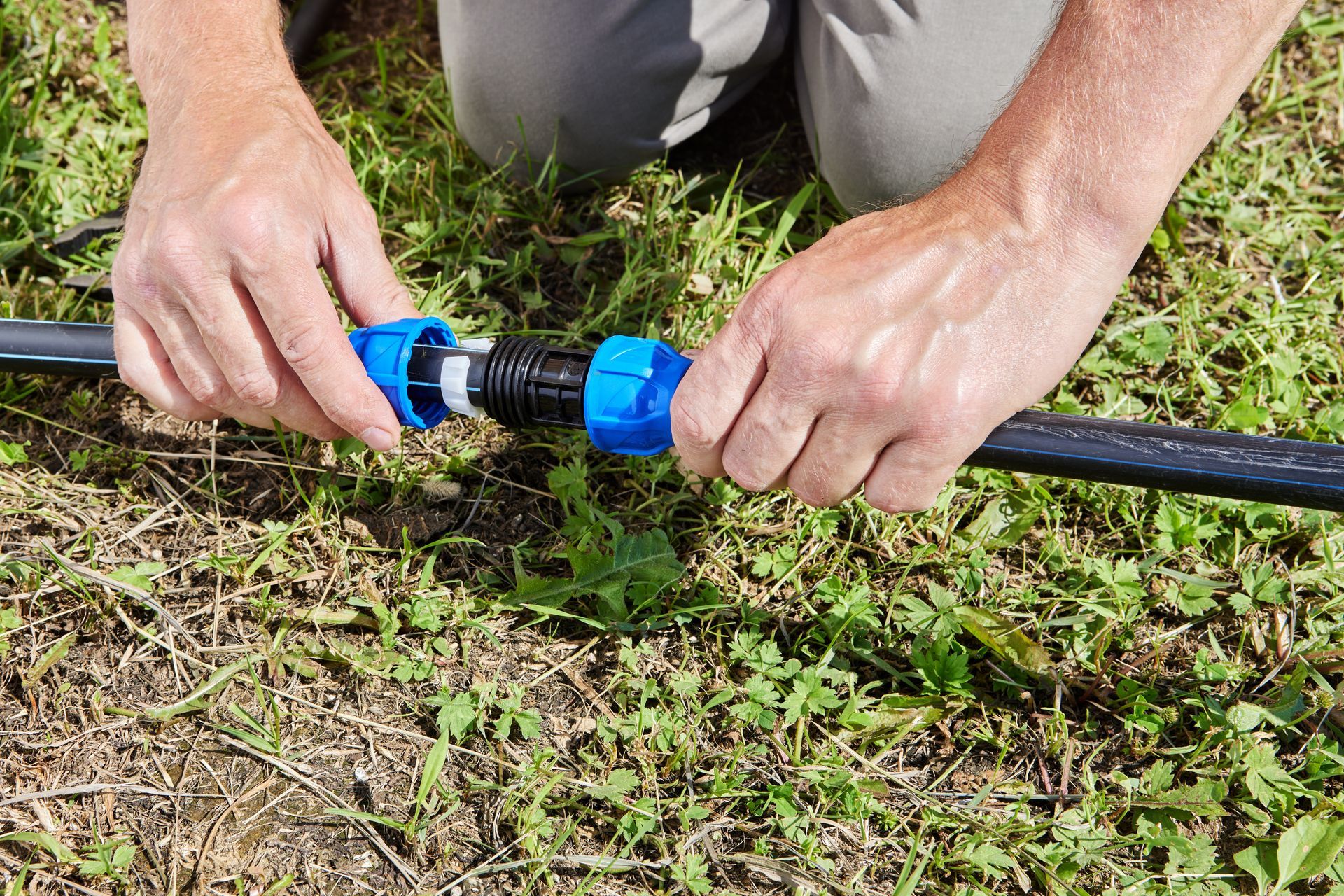
A newly aerated and seeded lawn requires a completely different hydration strategy to survive the early growth stages. If you have an automated setup you might need basic irrigation repair or head adjustments to ensure the sprinklers cover the open ground evenly without creating washouts.
• Frequent Misting: Keep the top inch of dirt damp by watering lightly two to three times a day.
• Volume Reduction: Cut back on long soaking sessions that will drown the new seeds or wash them away.
• Transitioning Back: Slowly return to deep infrequent watering once the new grass reaches two inches tall.
Frequently Asked Questions
What causes soil compaction in residential lawns?
The most common culprit is repeated foot traffic from summer gatherings combined with heavy lawn mowers following the exact same cutting patterns week after week. In places like the Village of Ayr Ontario the exceptionally intact nineteenth-century village layouts often mean older yards suffer from decades of undisturbed subsurface settling. Walking on wet ground accelerates this issue by squeezing all the microscopic air pockets out of the dirt.
How often should a yard be aerated?
Most residential properties benefit from core aeration once a full calendar year. Yards with heavy clay composition or significant foot traffic require treatments every spring and autumn to prevent the ground from hardening completely. Monitoring water runoff and turf density will tell you exactly when the soil starts choking the grass roots.
What amendments fix hard compacted dirt?
Spreading screened compost immediately after aerating is the best way to keep the newly opened ground loose and biologically active. Liquid humic acid is a trade secret that breaks down tight clay bonds without altering the overall physical grade of the yard. You must avoid adding fine sand to clay soils because the mixture acts like concrete and ruins drainage permanently.
Lock In Your Autumn Yard Recovery
Summer traffic does not have to mean the end of your lush green turf. Taking immediate action to break up tight ground ensures your property enters the colder months with strong and deep root systems.
Reach out to the crew to get your soil tested and aerated before the autumn freeze locks everything in place.
Share This Blog