Why September is the Critical Window for New Tree Planting
Shiny Green Landscaping • September 8, 2026
Most homeowners assume spring is the only time to put new roots into the ground. At Shiny Green Landscaping we constantly see people miss out on the absolute best window for tree planting because they wait for the winter to end. September brings the perfect combination of warm soil and cool air that newly installed roots crave. Taking advantage of this short weather window is the smartest move you can make for your property.
Putting trees in the ground right now allows them to establish a strong base before the stressful heat of next summer arrives. Taking action in early autumn means your new landscape installation gets a massive head start on growth. We put together the exact sequence you need to follow to secure this critical planting window.
What We Cover:
- Stage 1: Assess Your Soil and Space
- Stage 2: Schedule the Right Tree Planting Installation
- Stage 3: Protect the Root Zone Before Winter
- Frequently Asked Questions
Stage 1: Assess Your Soil and Space
Cambridge Ontario is a city shaped by its rivers and built on history which means your yard likely has unique drainage patterns and heavy clay pockets. Before digging you must understand exactly what the ground can support.
• Light Exposure: Track how many hours of direct sun the chosen spot receives during the shorter autumn days.
• Drainage Capacity: Dig a test hole and fill it with water to see if the ground drains quickly or holds a puddle.
• Spatial Planning: Look up and measure the distance to overhead power lines to avoid future interference as the canopy grows.
• Utility Locates: Call local authorities to mark underground gas and water lines before any shovels hit the dirt.
Stage 2: Schedule the Right Tree Planting Installation
Once you know your site conditions you must move quickly to secure inventory from local nurseries before the ground freezes. The Village of Ayr Ontario features numerous historic buildings and cultural heritage landscape features where selecting native species ensures your yard matches the local environment.
• Species Selection: Choose native deciduous varieties that drop their leaves and focus entirely on root expansion during the fall.
• Root Ball Inspection: Reject any stock that shows circling roots or severely dry dirt inside the nursery container.
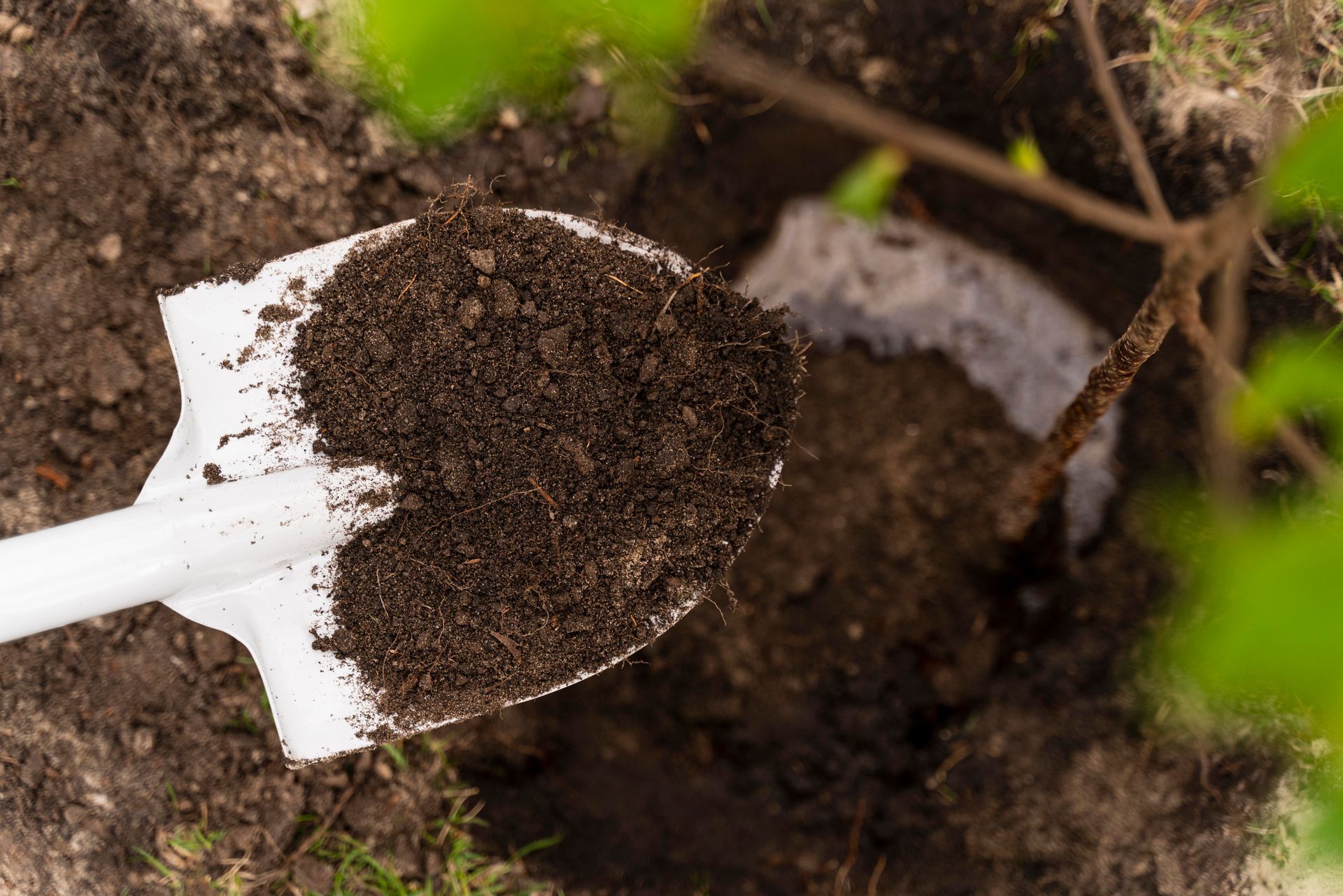
• Hole Preparation: Dig the opening two to three times wider than the root ball but keep the depth exactly the same to prevent trunk rot.
• Professional Booking: Contact a landscape installation crew early in the month before their schedules fill up with winter prep work.
→ From a professional standpoint: A tree planted in September will have double the root mass by next July compared to one planted in April.
Stage 3: Protect the Root Zone Before Winter
Just putting the tree in the ground is not the final step of the job. You must shield the vulnerable new root system from the harsh freezing and thawing cycles that happen from November through March.
• Heavy Mulching: Apply a three inch layer of organic mulch around the base while keeping it pulled away from the actual trunk bark.
• Deep Watering: Soak the root zone heavily twice a week until the ground physically freezes solid.
• Trunk Wrapping: Install a plastic tree guard around the lower trunk to stop rodents from chewing the bark when snow covers the ground.
► The single biggest mistake you can make is abandoning your watering schedule just because the autumn air feels cold.
Frequently Asked Questions
Is it better to plant trees in fall or spring?
Fall is biologically superior for establishing most hardwood species in our local climate. The soil retains summer heat which encourages rapid root development while the cooler air temperatures prevent the foliage from losing excess moisture. Spring planting forces the tree to divide its energy between growing new leaves and trying to establish roots right before the brutal summer droughts hit.
How often should newly planted trees be watered?
You must water the root zone deeply at least twice a week during the first autumn month. The goal is to keep the soil consistently damp like a wrung out sponge rather than turning it into a muddy swamp. You only stop this hydration routine when the daytime temperatures drop permanently below freezing and the ground locks up.
Do new shrubs need fertilizer in autumn?
You should never apply high nitrogen synthetic fertilizers to newly installed plants late in the season. Nitrogen pushes the plant to create tender new top growth which will instantly die when the first heavy frost arrives. Instead you want to mix organic compost into the backfill dirt to slowly feed the roots as they establish themselves underground.
Secure Your Autumn Planting Window
Do not wait for the spring rush to get your property upgraded. Taking action now ensures your landscape develops deep and resilient roots while the weather is on your side.
Reach out to our crew to schedule your installation before the ground freezes and the window closes completely.
Share This Blog