The Reality of Commercial Snow Plowing During Major Storms
Shiny Green Landscaping • October 14, 2026
When a major winter storm hits Ontario commercial property managers want their parking lots cleared instantly. The assumption is that a signed contract guarantees bare asphalt the moment the first flake falls. At Shiny Green Landscaping we know exactly how extreme weather impacts route logistics and equipment capabilities. Understanding the physical realities of moving tons of frozen water prevents massive operational headaches for your business.
Setting honest expectations regarding your winter services keeps your retail or industrial space running smoothly. Not every storm behaves the same way and different properties require entirely different machines to safely manage the buildup. We want to outline exactly what happens during a heavy weather event so you can plan your operations with confidence.
What We Cover:
- The Instant Clearing Overestimation
- Site Layout and Heavy Machinery Realities
- How Client Preparation Changes the Outcome
- Frequently Asked Questions
The Instant Clearing Overestimation
The most common misunderstanding in snow plowing is the timeline of the actual clearing process. Many managers expect trucks to wait in their parking lot before the storm even begins. The reality is that service routes are built on strict geographic loops to maximize efficiency across multiple properties. When precipitation falls at a rate of two inches per hour crews focus on keeping driving lanes open rather than detailing individual parking stalls.
A true blizzard requires multiple passes over the same property just to maintain basic access for emergency vehicles and staff. Pushing for perfect blacktop during the middle of an active whiteout is a fight against nature that heavy machinery cannot win. The final detail clearing and scraping only happens after the heavy precipitation finally stops and the winds die down.
→ From a professional standpoint: Your winter contract secures your place in a guaranteed service route rather than providing a dedicated truck that sits idle on your property.
Site Layout and Heavy Machinery Realities
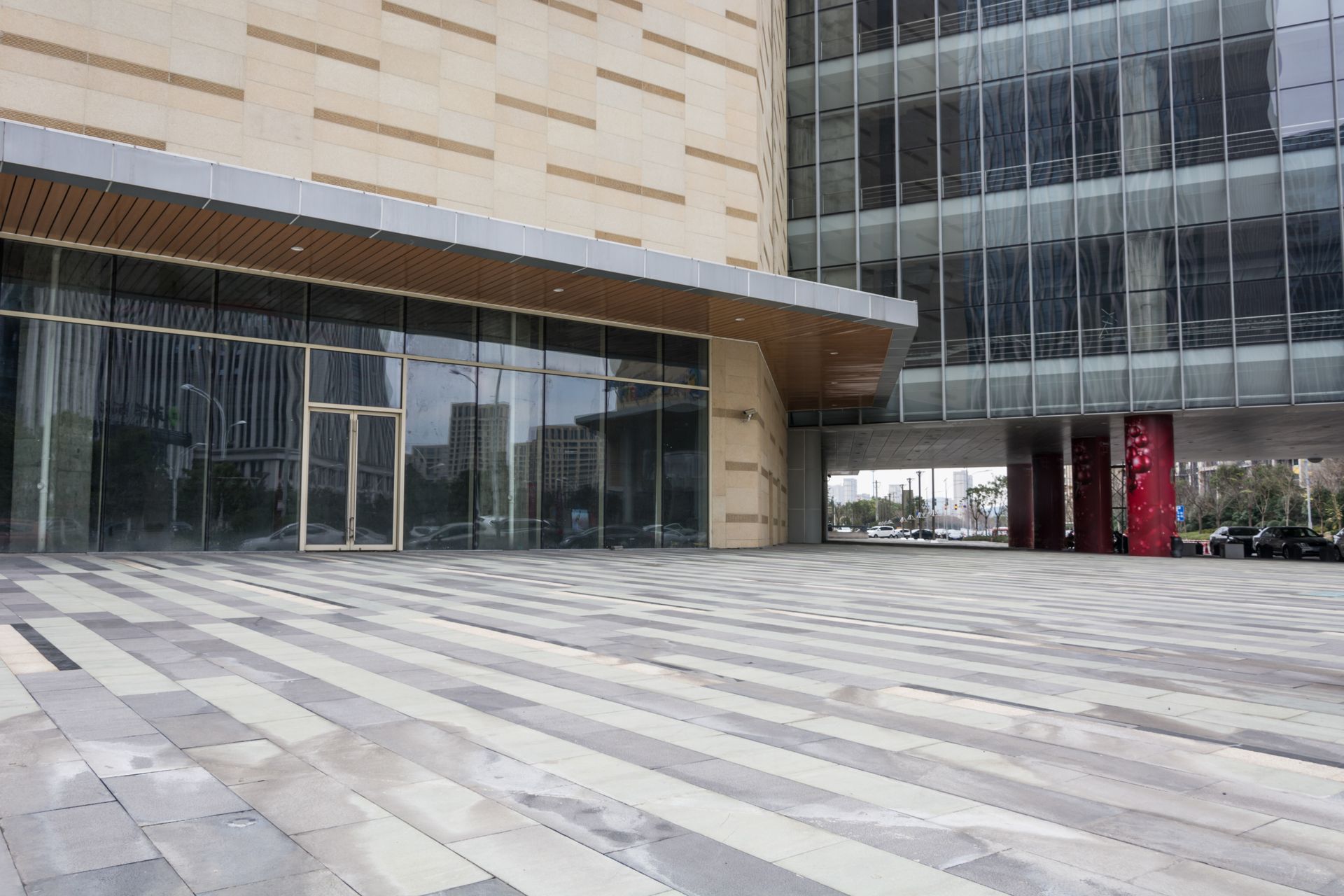
Every commercial lot has a unique footprint that dictates exactly what type of equipment can safely operate during a storm. In the Preston commercial district in Cambridge older industrial lots often feature tight corners and narrow loading docks. A standard pickup truck with a front blade simply cannot move or stack the massive volume of frozen material these properties generate. Attempting to use undersized equipment results in damaged commercial landscaping features and broken curbs.
Large retail centers and industrial parks require front end loaders and skid steers to physically lift and stack the banks out of the way. Pushing heavy slush requires immense mechanical torque and careful operator precision to avoid hidden obstacles under the powder. These heavy machines operate slowly and deliberately to protect your physical physical structures.
► The single fastest way to cause spring flooding is stacking heavy banks directly over your storm drains or against aging retaining walls.
How Client Preparation Changes the Outcome
Your results during a major storm depend heavily on how well your site is prepped before the plows arrive. Operators cannot clear asphalt that is blocked by abandoned pallets or scattered fleet vehicles. To get the cleanest scrape possible facility managers need to organize their exterior spaces ahead of the freezing weather.
• Vehicle Relocation: Move all company vehicles to a designated corner of the lot so the main thoroughfares remain wide open.
• Obstacle Marking: Install tall reflective markers near fire hydrants and curbs to guide the operators when visibility drops to zero.
• Debris Removal: Clear shipping yards of loose materials that can get caught under a heavy steel blade and cause mechanical failure.
→ A quick tip to remember: An empty and well marked parking lot allows operators to work twice as fast and scrape much closer to the pavement.
Frequently Asked Questions
What equipment is best for clearing commercial parking lots?
Large retail and industrial spaces require heavy machinery like front end loaders and dedicated skid steers. These machines have the necessary pushing power to move dense wet slush across massive distances without burning out their transmissions. They also feature the hydraulic lifting capacity required to stack the banks high and maximize your usable parking space.
How quickly do plows arrive after a storm?
Response times are dictated by the severity of the weather event and your specific contract terms. Most commercial routes trigger automatically when the accumulation reaches two inches on the pavement. During continuous heavy storms crews will make initial passes to open the main driving lanes and return later to detail the parking spots once the weather breaks.
Does snow removal include de-icing walkways?
A standard contract usually covers the asphalt driving surfaces but pedestrian walkways are often treated as a separate line item. You must specify if you need manual shoveling and the application of eco-safe de-icing agents near your entrances. Securing a complete package ensures your entire property remains safe for both vehicles and foot traffic.
Secure Your Winter Operations
Surviving a major winter event requires clear communication and realistic expectations regarding heavy equipment capabilities. Preparing your site and understanding the logistics of route clearing ensures your property remains safe and accessible. Reach out to our winter operations crew to secure your spot on the route and protect your business this season.
Share This Blog