Creating Sustainable Gardens: Eco-Friendly Landscaping Tips for Your Home
Shiny Green Landscaping • April 4, 2025
As environmental awareness grows, many homeowners are seeking ways to make their gardens more sustainable. Creating a sustainable garden not only benefits the environment but also enhances the beauty and value of your home. At Shiny Green Landscaping, we are passionate about transforming ordinary landscapes into environmentally friendly havens. Here are some eco-friendly landscaping tips to help you create a sustainable garden that aligns with your values and lifestyle.
Understanding Your Landscape
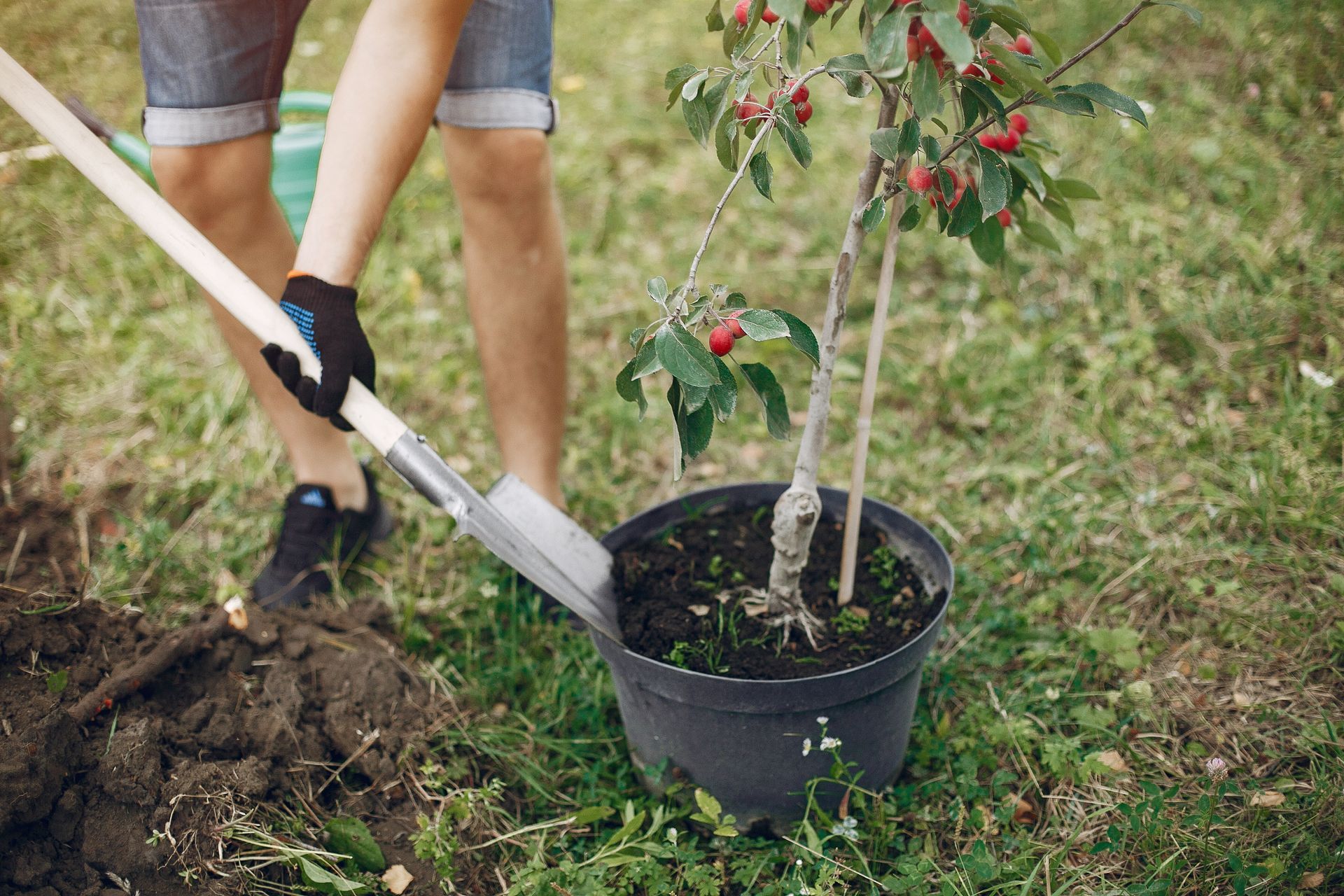
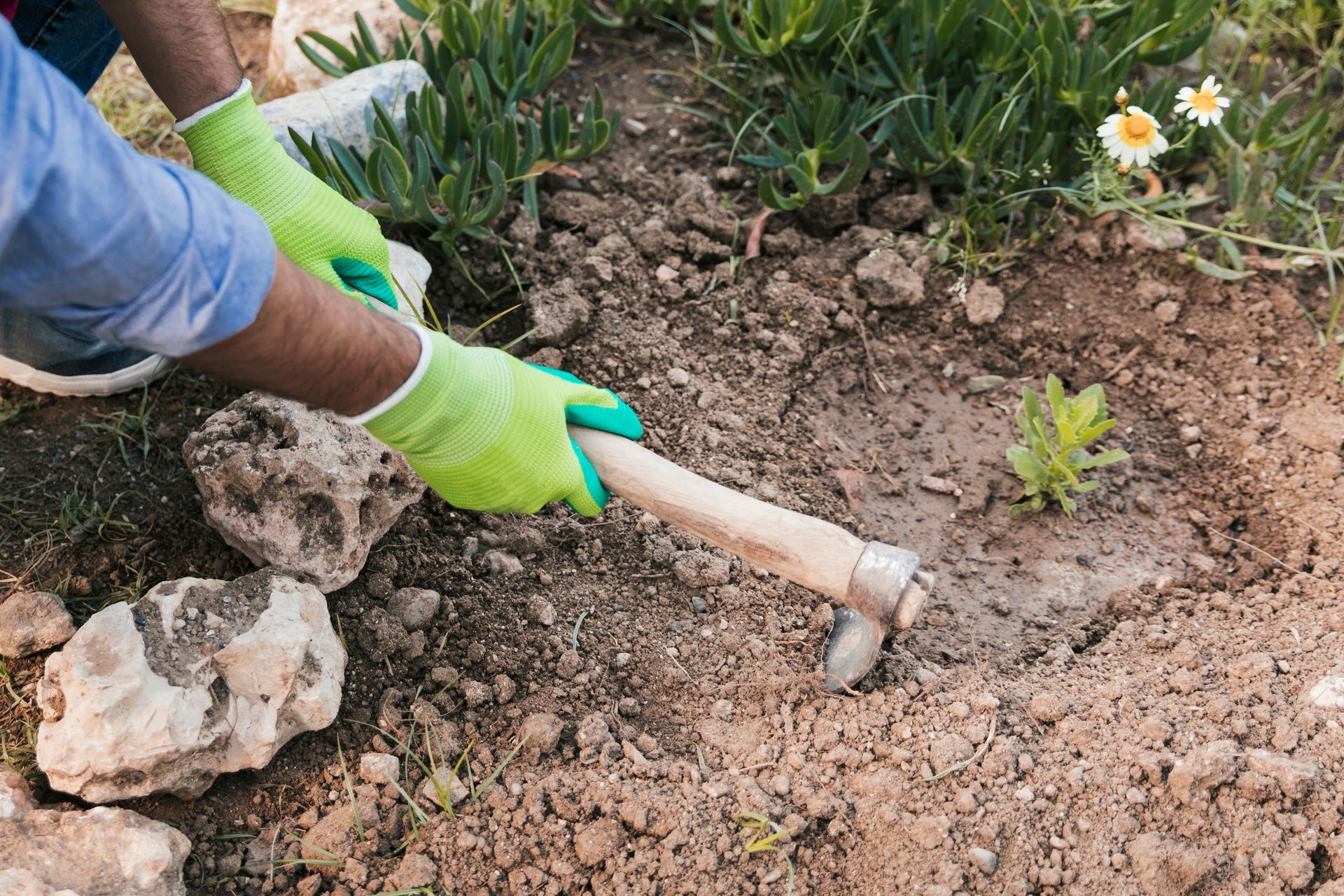
The first step in creating a sustainable garden is understanding your landscape. Evaluate your soil type, sunlight exposure, and water availability. Choose plants that thrive in your specific conditions to minimize the need for additional water and fertilizers. Native plants are an excellent choice because they are well-adapted to the local climate and soil, making them easier to maintain and more resilient to pests and diseases.
Soil Health and Composting
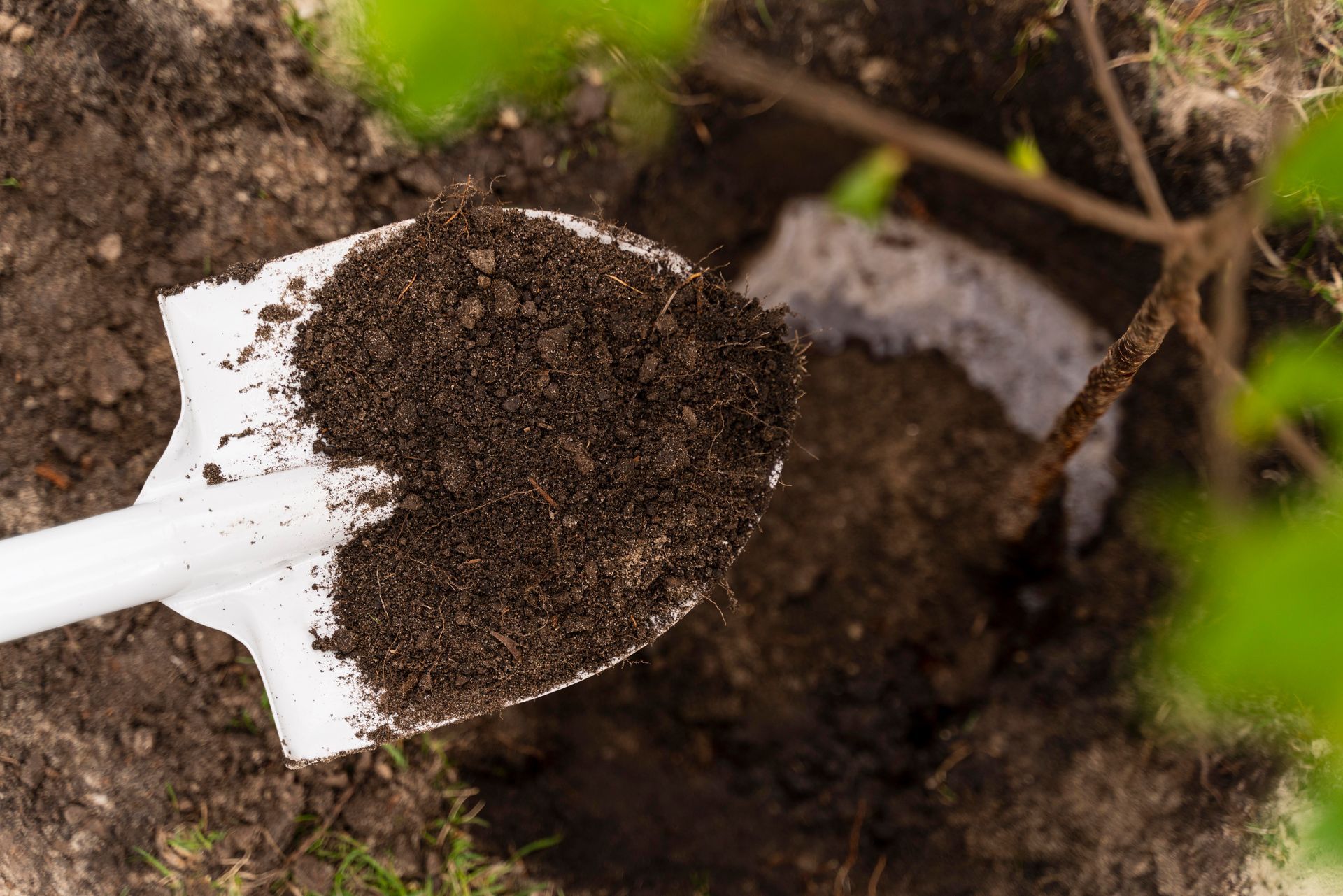
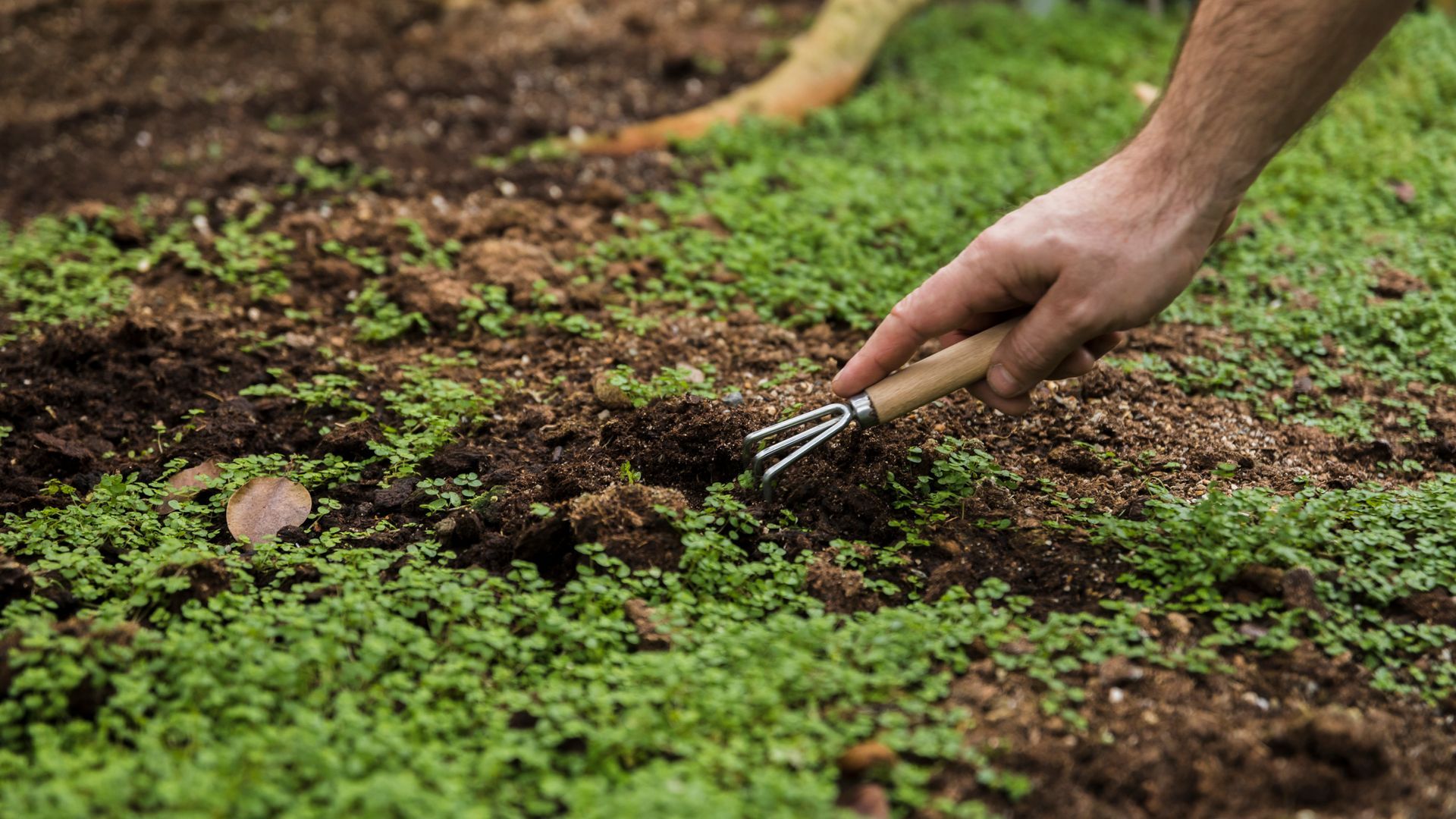
Healthy soil is the foundation of any sustainable garden. By improving your soil's health, you can increase its ability to retain water and nutrients. Start by testing your soil to determine its pH and nutrient levels. Incorporate organic matter, such as compost, to enhance soil structure and fertility. Composting kitchen scraps and garden waste is an eco-friendly way to create nutrient-rich soil, reducing the need for chemical fertilizers.
Water Conservation
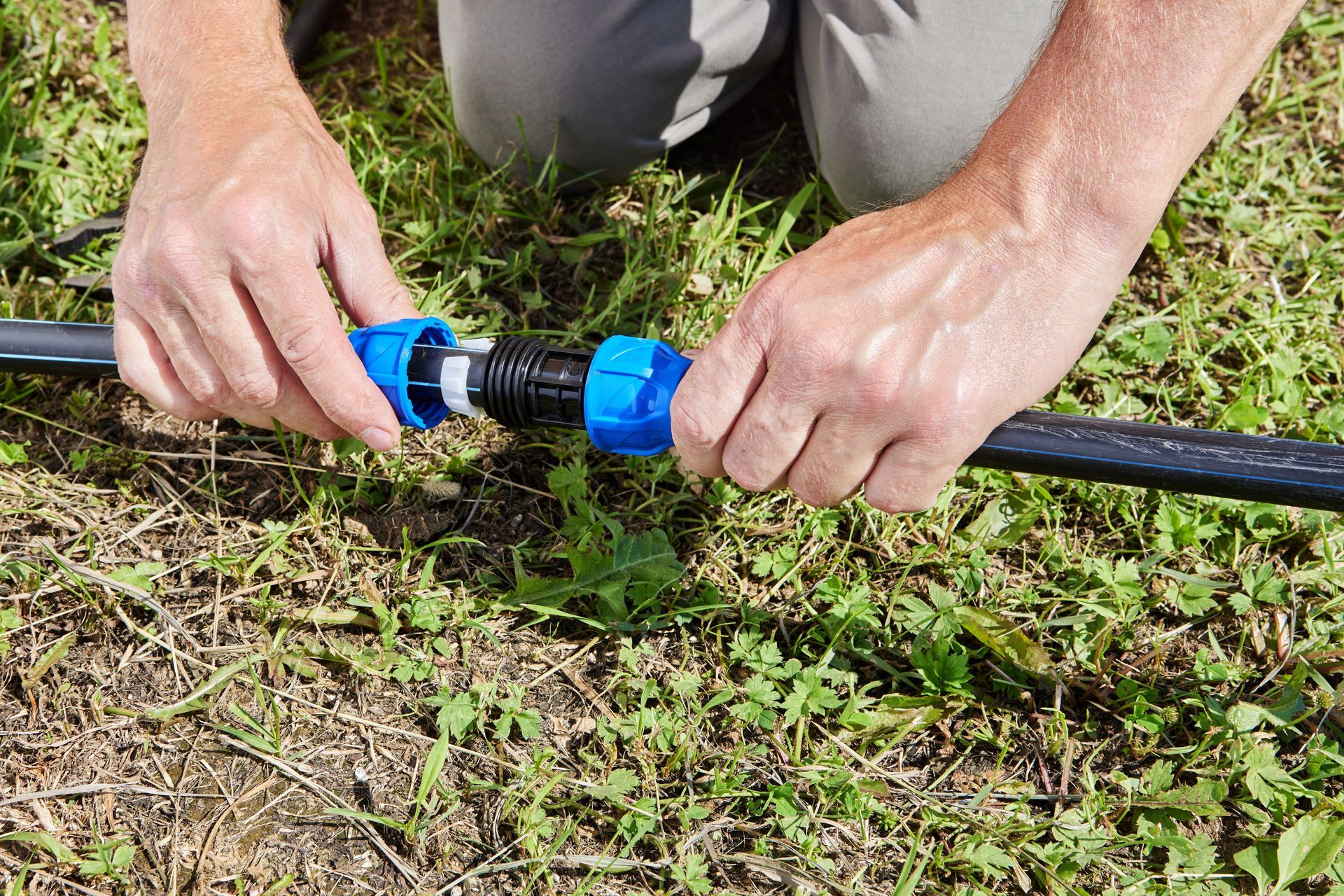
Water conservation is a vital component of sustainable gardening. Install a rainwater harvesting system to collect and store rainwater for use in your garden. This helps reduce your reliance on municipal water supplies. Drip irrigation systems are another efficient way to deliver water directly to plant roots, minimizing evaporation and waste. Mulching around your plants can further reduce water evaporation while suppressing weeds and maintaining soil moisture.
Sustainable Plant Selection
Choosing the right plants is crucial for an eco-friendly garden. Opt for native plants that require less water, fertilizers, and pesticides. These plants provide habitat and food for local wildlife, promoting biodiversity. Incorporating a variety of plant species can also create a more resilient ecosystem that can better withstand environmental changes.
Eco-Friendly Hardscaping
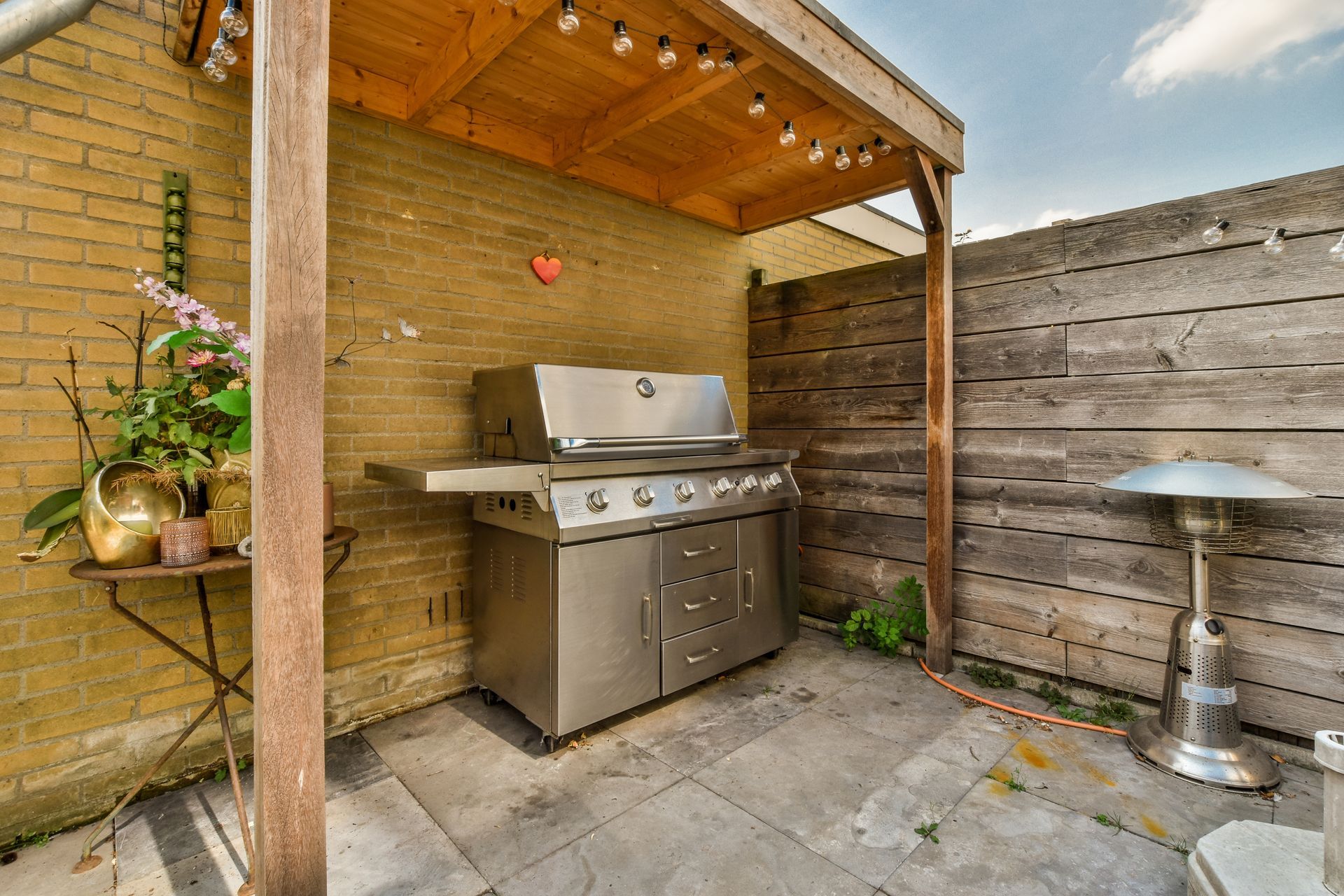
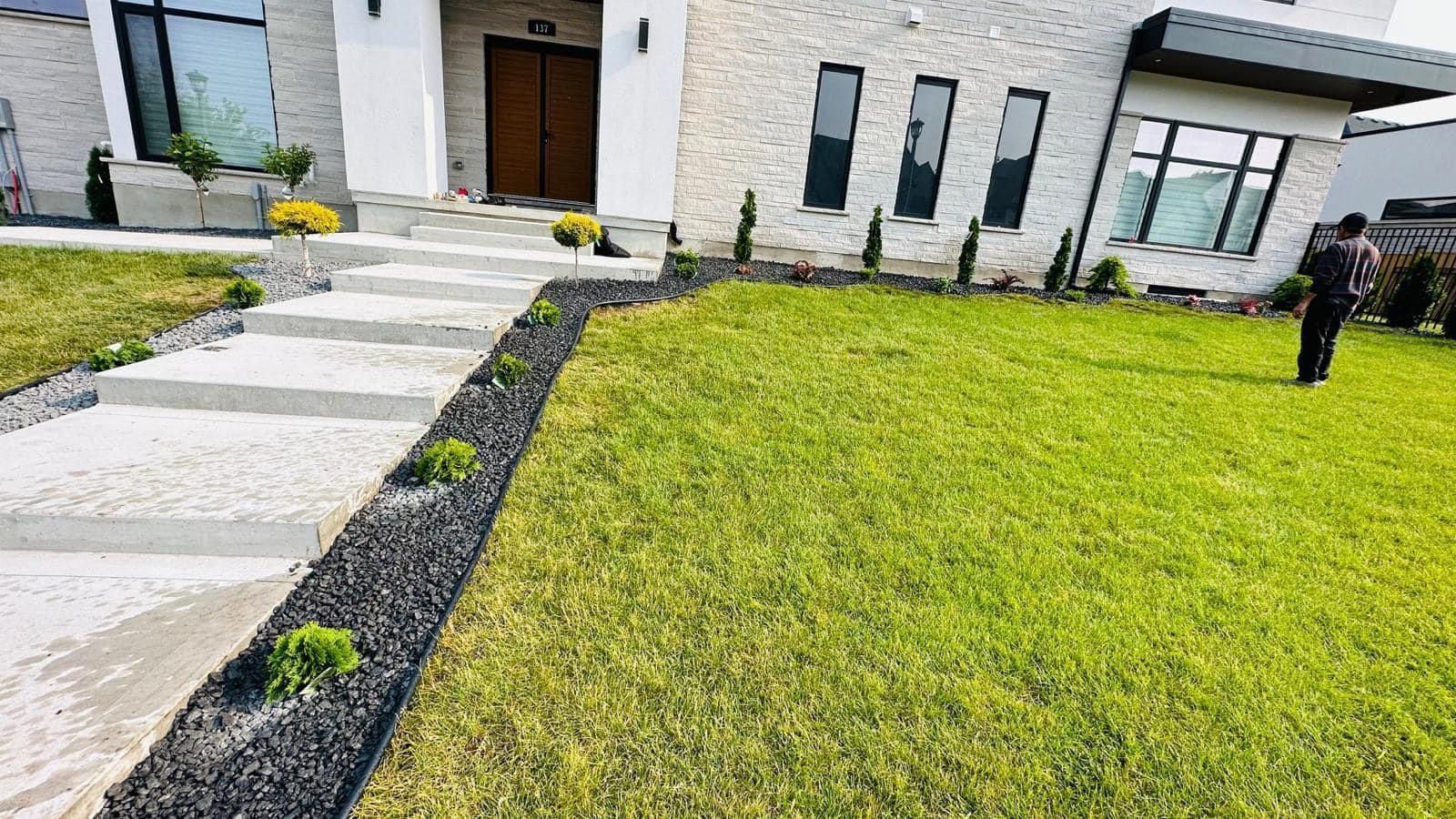
Hardscaping features, such as patios, walkways, and retaining walls, can enhance the functionality and aesthetic appeal of your garden. To ensure these features are eco-friendly, use sustainable materials like reclaimed wood or recycled stone and concrete. Permeable paving options allow water to filter back into the ground, reducing runoff and enhancing groundwater recharge.
Attracting Wildlife
A sustainable garden is a haven for local wildlife, such as birds, butterflies, and bees. Plant a diversity of flowering plants that bloom at different times to provide a continuous food source. Consider installing birdhouses, bat boxes, and bee hotels to offer shelter and nesting sites. These practices support local biodiversity and contribute to a balanced ecosystem.
Integrated Pest Management
Managing pests in an eco-friendly garden involves using integrated pest management (IPM) strategies. Encourage beneficial insects, such as ladybugs and predatory beetles, which naturally control pest populations. Planting companion plants, like marigolds and basil, can deter specific pests while promoting plant health. If needed, opt for organic pest control solutions and use chemical pesticides as a last resort.
Energy-Efficient Landscape Lighting
Lighting can transform your garden into a magical space after dark. Opt for energy-efficient LED lights or solar-powered fixtures to reduce your garden's carbon footprint. By strategically placing lights to highlight key features, you can create a warm ambiance while ensuring safety and security.
Sustainable Lawn Care
Lawns are often a significant part of residential gardens, but maintaining them can be resource-intensive. Consider reducing the size of your lawn or replacing it with ground covers that require less water and mowing. If you keep a lawn, use eco-friendly practices such as mowing with an electric or manual mower, leaving clippings to fertilize the soil, and avoiding chemical fertilizers.
Creating a sustainable garden is a rewarding endeavor that benefits both you and the environment. By following these eco-friendly landscaping tips, you can transform your outdoor space into a beautiful, sustainable retreat that reflects your commitment to preserving our planet.
Ready to bring your sustainable garden vision to life? Contact Shiny Green Landscaping today and let us help you create an eco-friendly outdoor haven you'll love for years to come. Our team of experts is dedicated to crafting landscapes that inspire and endure, tailored to your unique needs and goals. Get in touch with us to start your landscaping journey!
Share This Blog