How to Prep Your Ontario Driveway Before the First Major Snowfall
Shiny Green Landscaping • November 4, 2026
Winter weather arrives quickly in Ontario and catches many property owners off guard. Getting ahead of the freezing temperatures is the best way to protect your concrete or asphalt surfaces from mechanical damage. The team at Shiny Green Landscaping sees firsthand how a little early preparation prevents heavy plows from causing permanent gouges. Taking time in November to ready your property makes a massive difference in how your hardscaping survives the cold season.
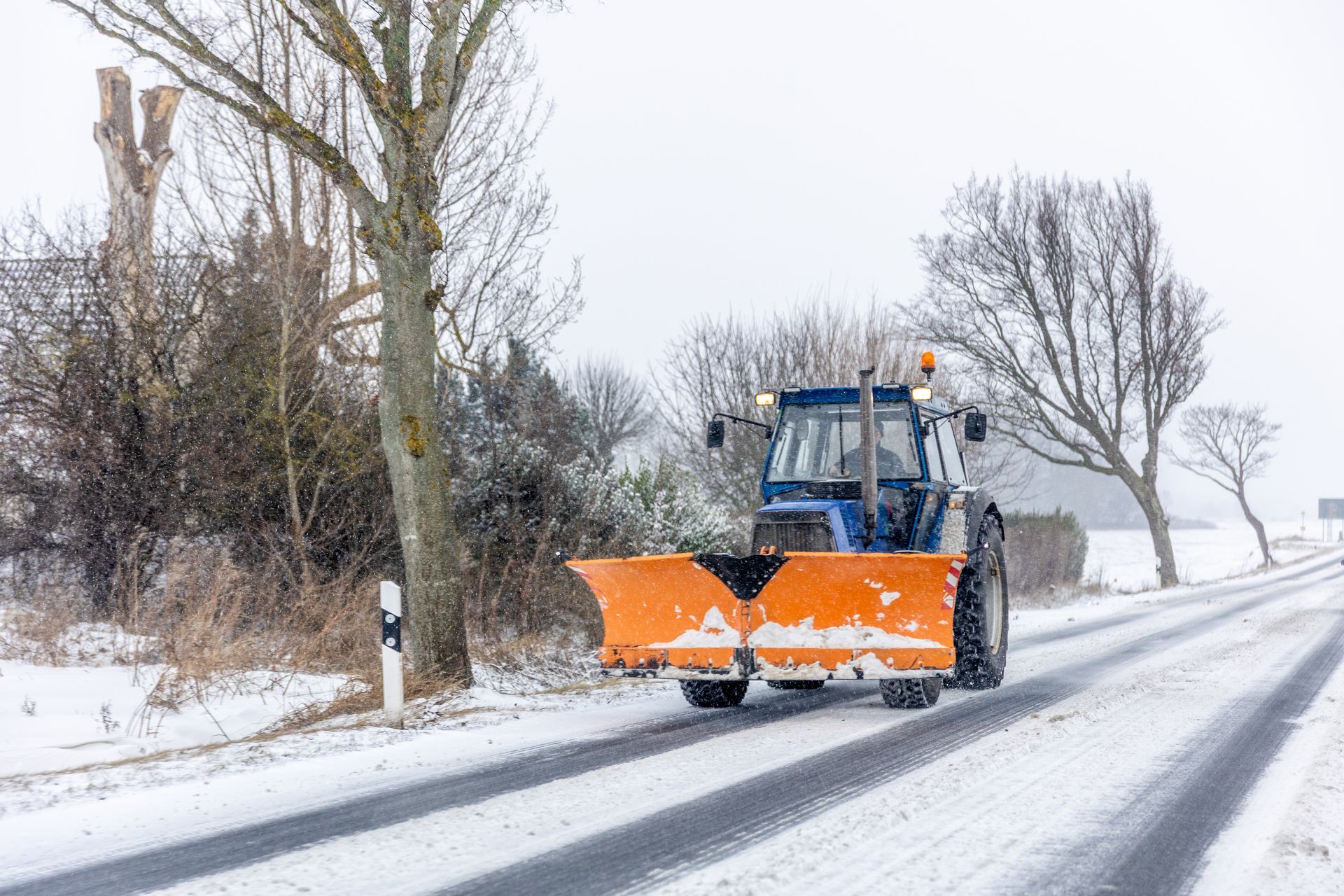
Heavy machinery requires clear boundaries to operate safely and effectively. Leaving debris or hidden obstacles on the ground creates expensive hazards for both the equipment operator and the homeowner. A reliable residential snow removal service relies on a clear site to work efficiently and avoid tearing up your lawn. Setting up your driveway properly right now ensures a smooth clearing process all winter long.
Here is what we cover below:
● Removing hidden hazards: Getting toys and tools out of the way.
● Marking clear boundaries: Guiding plows safely away from garden beds.
● Checking for uneven ground: Addressing low spots before the freeze.
● Completing late fall repairs: Stopping water damage in its tracks.
Removing Hidden Hazards from the Clearing Zone
Homeowners often ask how do I get my driveway ready for a snow plow. The first and most critical step is walking the entire area to remove anything that could get buried under the first snowfall. Garden hoses left out to freeze become dangerous projectiles if caught in a snow blower. Childrens toys and stray landscaping stones can easily break a sheer pin on a plow or cause the blade to dig into your asphalt.
Moving these items indoors or far away from the clearing zone protects your belongings and ensures the snow removal team can work without interruption. Piles of wet autumn leaves should also be swept away. Leaves trap moisture against the concrete and create a slippery layer that makes plowing difficult and dangerous.
Marking Clear Boundaries for Heavy Equipment
Snow covers everything evenly and completely hides the line where your driveway ends and your lawn begins. Plow operators need visual guides to know exactly where to push the snow without tearing up your grass or crushing your garden installations. Installing reflective fiberglass driveway markers along the edges of your pavement solves this problem instantly.
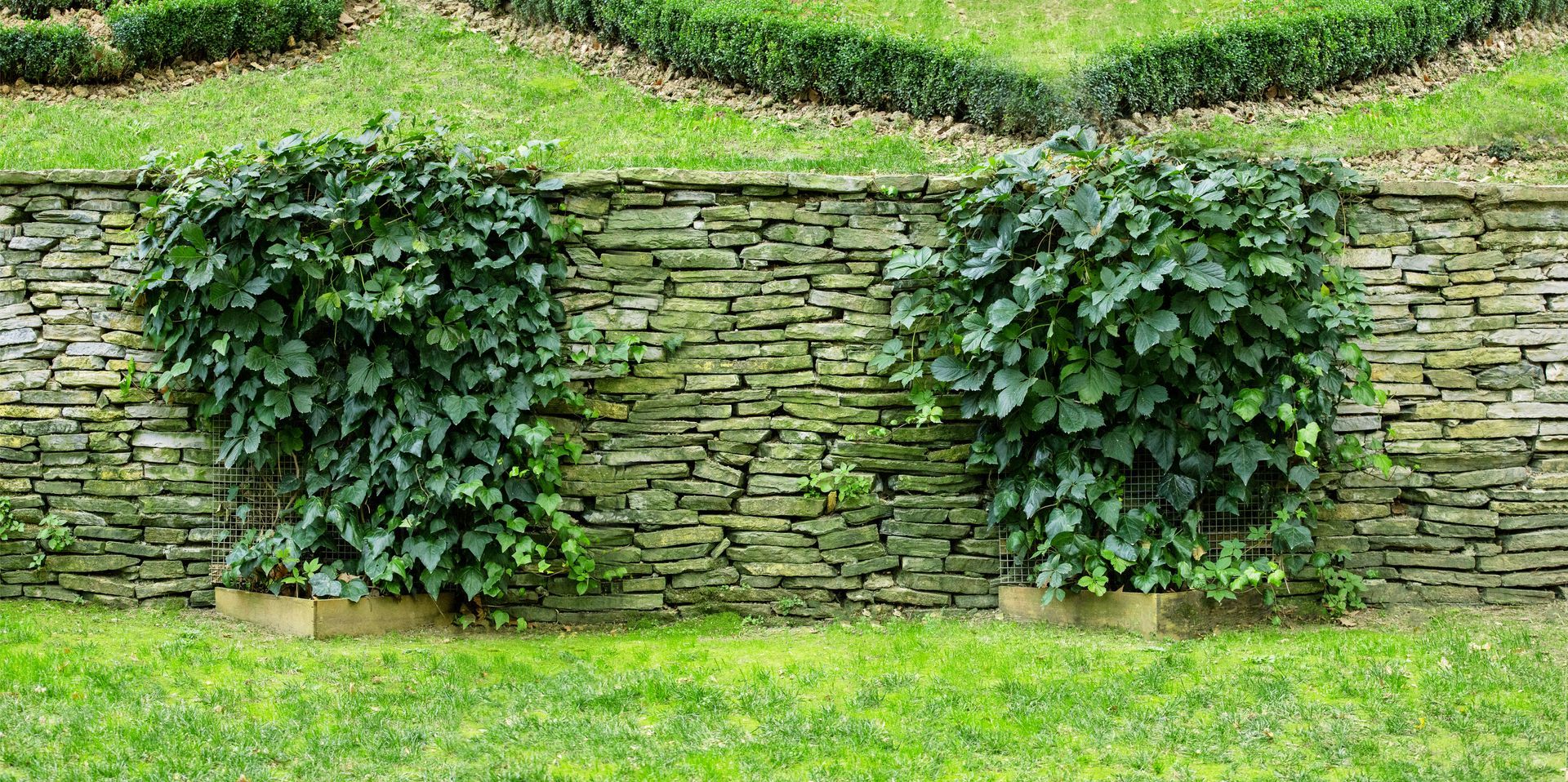
Place these markers about a foot back from the actual edge of the concrete or asphalt. This gives the plow a safe buffer zone. If you have retaining walls or custom stonework near the parking area, mark those prominently as well. Staking out these borders is a simple task that prevents thousands of dollars in accidental landscaping damage.
Checking for Uneven Ground and Completing Repairs
Water is the enemy of any driveway during the winter months. Before the ground freezes solid you should inspect your driveway for existing cracks or significant low spots where water pools. When snow melts during a sunny afternoon and refreezes overnight inside those cracks, the ice expands and breaks the material apart. Filling minor cracks with a proper masonry sealant prevents this cycle from destroying your pavement.
If you notice large areas of sinking near your garage or street, you might have an underlying issue with your land grading. Proper drainage pulls water away from the driveway surface. Taking note of these trouble spots allows you to plan for structural grading or paver repairs in the spring so your property drains correctly next year.
Securing a Safe Winter Season
Prepping your property for winter requires just a few hours of focused work in the late autumn. Clearing away objects and marking your borders allows any plow operator to do their job cleanly and efficiently. Take a walk around your driveway this weekend to get everything organized before the snow flies.
Share This Blog