Why You Must Seal Wood Fences Before Winter Weather Arrives
Shiny Green Landscaping • October 28, 2026
Homeowners often ignore their wooden boundaries until the boards start snapping in the winter wind. At Shiny Green Landscaping we see exactly what untreated lumber looks like after a brutal Ontario freeze. Letting raw timber face freezing rain and heavy snow guarantees you will be replacing rotting posts and warped pickets by next spring.
Fixing the problem means acting before the daily temperatures drop permanently below freezing. Applying a high quality sealant in late autumn locks out the moisture that causes severe cracking and splitting. Following a strict sequence of surface preparation and treatment protects your investment and saves you from massive replacement costs.
What We Cover:
Stage 1: Assess Your Wood for Early Rot
Stage 2: Prep the Surface and Schedule
Stage 3: Apply the Right Fencing Protection
Frequently Asked Questions
Stage 1: Assess Your Wood for Early Rot
Before you buy gallons of stain you need to know if the structure can actually survive another season. In older areas like Hespeler Village in Cambridge mature tree canopies hold damp air against property lines which heavily accelerates wood decay. You must inspect the physical condition of the lumber before investing time in sealing it.
• Fastener Checks: Inspect the nails and screws to see if they are pulling out of the horizontal cross beams.
• Ground Contact: Look at the base of the posts to ensure wet soil and fallen leaves are not burying the wood.
• Splinter Testing: Drag a heavy key across a few bottom boards to see if the wood fibers flake away easily or hold strong.
• Moisture Levels: Splash a cup of water on the boards to see if the drops bead up or instantly soak into the raw grain.
Stage 2: Prep the Surface and Schedule
You cannot just paint over dirty timber and expect the product to bond properly. Wood needs to be completely clean and physically dry before any protective coating touches the surface. Whether you are treating your property boundaries or sealing wood pergolas this preparation stage dictates the success of the job.
• Pressure Washing: Use a low pressure tip to wash away green algae and grey oxidation without gouging the soft pine fibers.
• Dry Time: Allow the wet boards to dry for at least forty eight hours with zero rain in the forecast.
• Weather Monitoring: Watch the overnight temperatures closely because sealants fail to cure if the air drops too low.
• Material Sourcing: Buy a commercial grade penetrative oil rather than cheap acrylic products that just sit on the surface and peel.
Stage 3: Apply the Right Fencing Protection
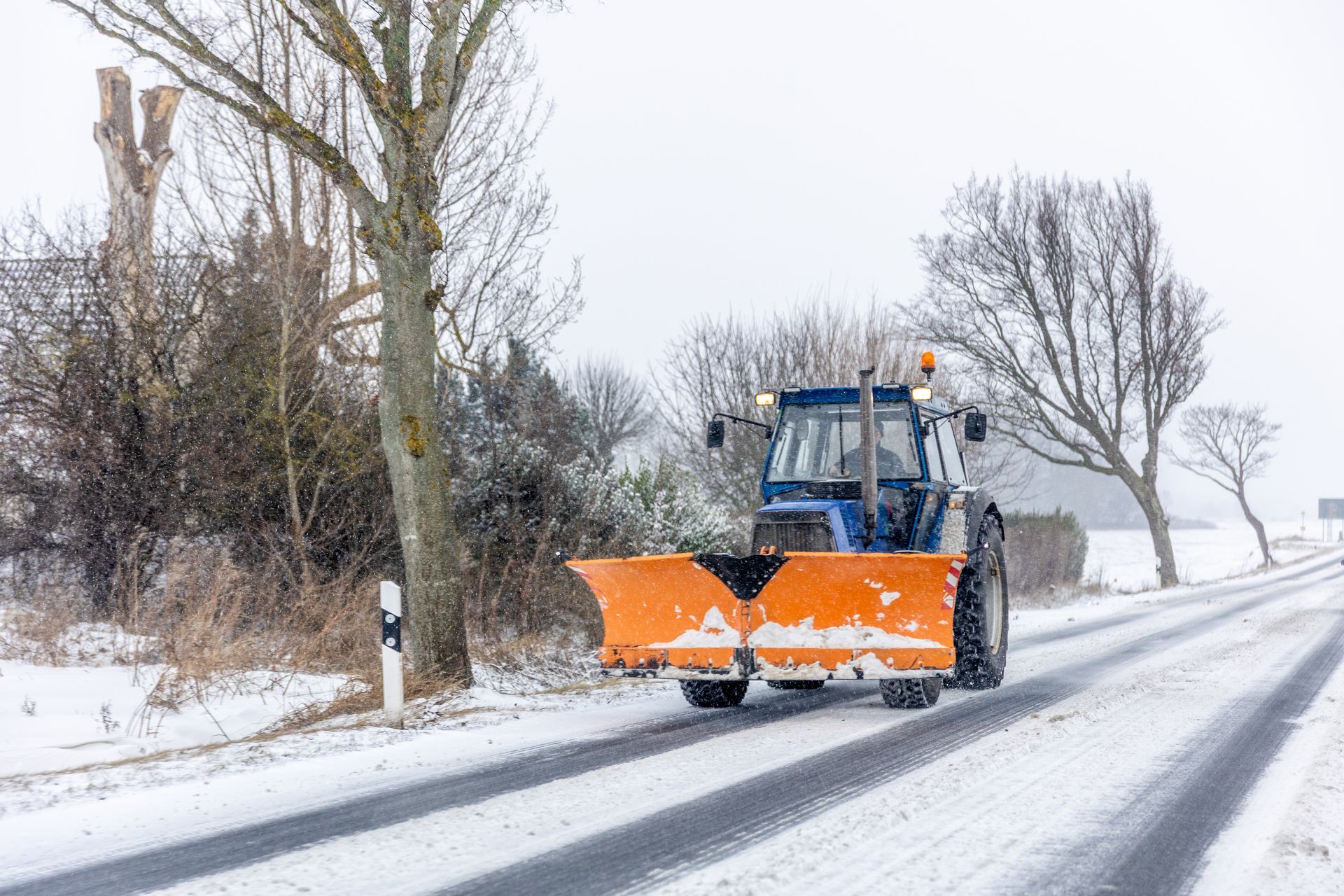
The actual application requires moving quickly while the weather window remains open just before you need to start worrying about scheduling snow removal. You have to force the product into the vulnerable spots where water naturally gathers.
• Saturation Coating: Roll or brush the product heavily so it soaks deep into the raw grain rather than just tinting the top layer.
• End Grain Focus: Flood the exposed tops of the posts and the bottoms of the pickets where water naturally wicks upward.
• Back Brushing: Work the stain into the cracks and knotholes using a stiff brush to ensure zero raw wood is exposed.
► The single most important rule of autumn wood care is that sealing over wet lumber traps the moisture inside and rots the board from the core outward.
→ From a professional standpoint: Oil based sealants penetrate the wood fibers and repel water significantly better than water based paints during extreme freezing cycles.
Frequently Asked Questions
What happens if you do not seal a wood fence?
Untreated timber absorbs water like a massive sponge during heavy autumn rainstorms. When the temperature plummets that trapped water freezes and expands forcing the internal wood fibers apart. This physical expansion causes the boards to warp and eventually snap right off the rails under the heavy weight of winter snow.
Can you stain outdoor wood in cold weather?
Applying stain when the temperature is too low ruins the chemical curing process. Most high quality oil based sealants require the air and surface temperatures to remain above fifty degrees for a full twenty four hours after application. If you apply the product during a deep freeze it turns into a sticky mess that never fully dries and simply attracts dirt all winter.
How often does a privacy fence need to be treated?
A standard cedar or pressure treated pine structure needs a fresh coat of sealant every two to three years. Areas exposed to direct afternoon sun or heavy wind driven rain often require attention much sooner to prevent splitting. The splash test is your best indicator because once water stops beading on the surface the protective barrier is officially gone.
Secure Your Property Boundaries Today
Winter weather is relentless and it destroys unprotected lumber much faster than most property owners think. Getting your boundaries properly sealed right now guarantees they will stand strong when the heavy snow begins to pile up. Reach out to our maintenance crew to get your outdoor structures prepped and protected while the autumn weather still allows it.
Share This Blog