How to Protect First-Year Trees from Harsh Winter Salt and Wind
Shiny Green Landscaping • November 24, 2026
Planting new trees adds immediate beauty and long term value to your property. Surviving that first winter in the ground is the most difficult test those new plants will face. The crew at Shiny Green Landscaping knows that young root systems are incredibly fragile until they establish themselves deeply into the soil. Providing the right physical protection during the freezing months is absolute critical for their survival.
Many property owners assume that once a tree drops its leaves it goes dormant and needs no further care. This assumption leads to massive plant loss by the time spring rolls around. Winter winds strip moisture from the branches while road salt poisons the surrounding soil. Taking proactive maintenance steps now ensures your landscape investment actually wakes up green next year.
Below is a breakdown of the process:
● Deep watering: Hydrating the roots before the ground freezes.
● Applying mulch: Insulating the soil against temperature swings.
● Wrapping trunks: Preventing sunscald and animal damage.
● Blocking wind and salt: Using physical barriers for protection.
Hydrating Roots Before the Ground Freezes
The most common question after a fall installation is how do I protect newly planted trees in the winter. The very first step actually happens before the freezing temperatures arrive. You must water your new trees deeply and consistently throughout November. Once the ground freezes solid the roots cannot take up any more moisture until the spring thaw.
Winter winds are incredibly dry and constantly pull moisture out of the tree bark and branches. If the tree enters the winter season already dehydrated it will suffer severe dieback and easily succumb to the cold. Give the root zone a slow deep soaking once a week until the overnight temperatures remain consistently below freezing.
Insulating the Soil Against Temperature Swings
After the final deep watering you need to lock that moisture into the ground. A thick layer of organic mulch acts like a heavy winter blanket for the root system. Spread about three inches of wood chips around the base of the tree reaching out as far as the branch canopy extends.
Keep the mulch pulled a few inches away from the actual trunk of the tree to prevent rot and discourage rodents from nesting against the bark. This insulation layer helps moderate the soil temperature and prevents the rapid freezing and thawing cycles that can literally heave a young root ball right out of the ground.
► Client Experience: I hired Shiny Green fot a second time to do work in my backyard. They trimmed the cedar hedge, cleaned up the garden, applied mulch and did a full lawn replacement with new sod. Great communication and great job done. Im very happy with the results.
Proper mulching and thorough garden cleanup prepare the entire yard to withstand the hardest weather without losing valuable topsoil.
Using Physical Barriers for Protection
Young tree bark is very thin and susceptible to a condition called sunscald. On bright winter days the sun heats up the bark causing the cells to become active. When the sun goes down the temperature plummets rapidly and kills those active cells leaving a massive vertical crack in the trunk. Wrapping the trunk with a light colored commercial tree guard reflects the sun and prevents this cracking entirely.
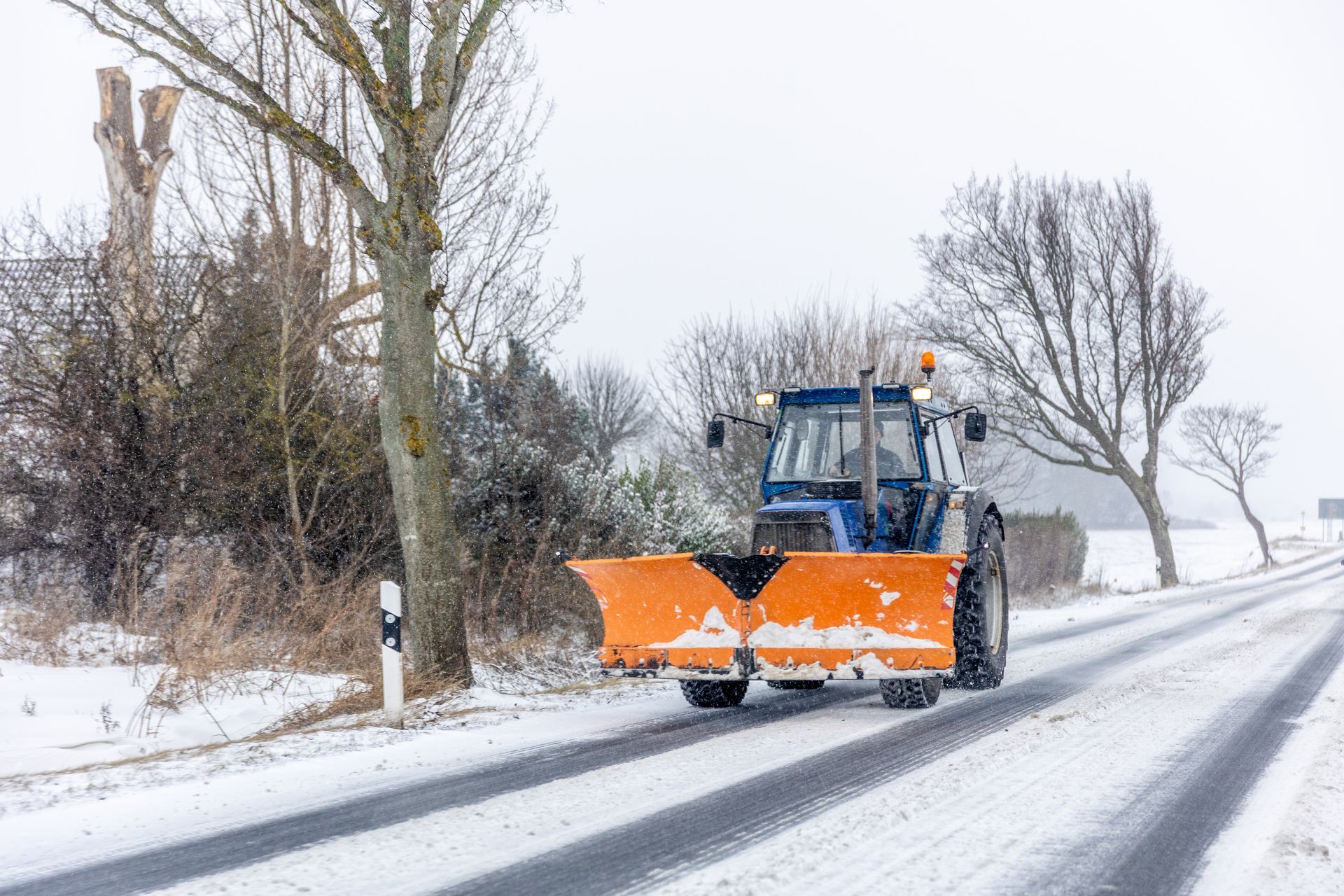
If your new plant installation is located near a busy road or a salted driveway you must also protect it from chemical spray. Burlap screens attached to wooden stakes block salty slush from coating the branches. Burlap allows air to circulate while taking the brunt of the freezing wind and toxic road salt.
Keeping Your Landscape Investment Alive
Winter protection requires a bit of manual labor but it absolutely guarantees your young trees survive their most vulnerable season. Wrapping trunks and applying a thick layer of mulch prevents thousands of dollars in replacement costs. Gather your burlap and wood chips this week to secure your new plantings before the harsh weather hits.
Share This Blog